Free, confidential case reviews

Mesothelioma GuideResearch & Compensation
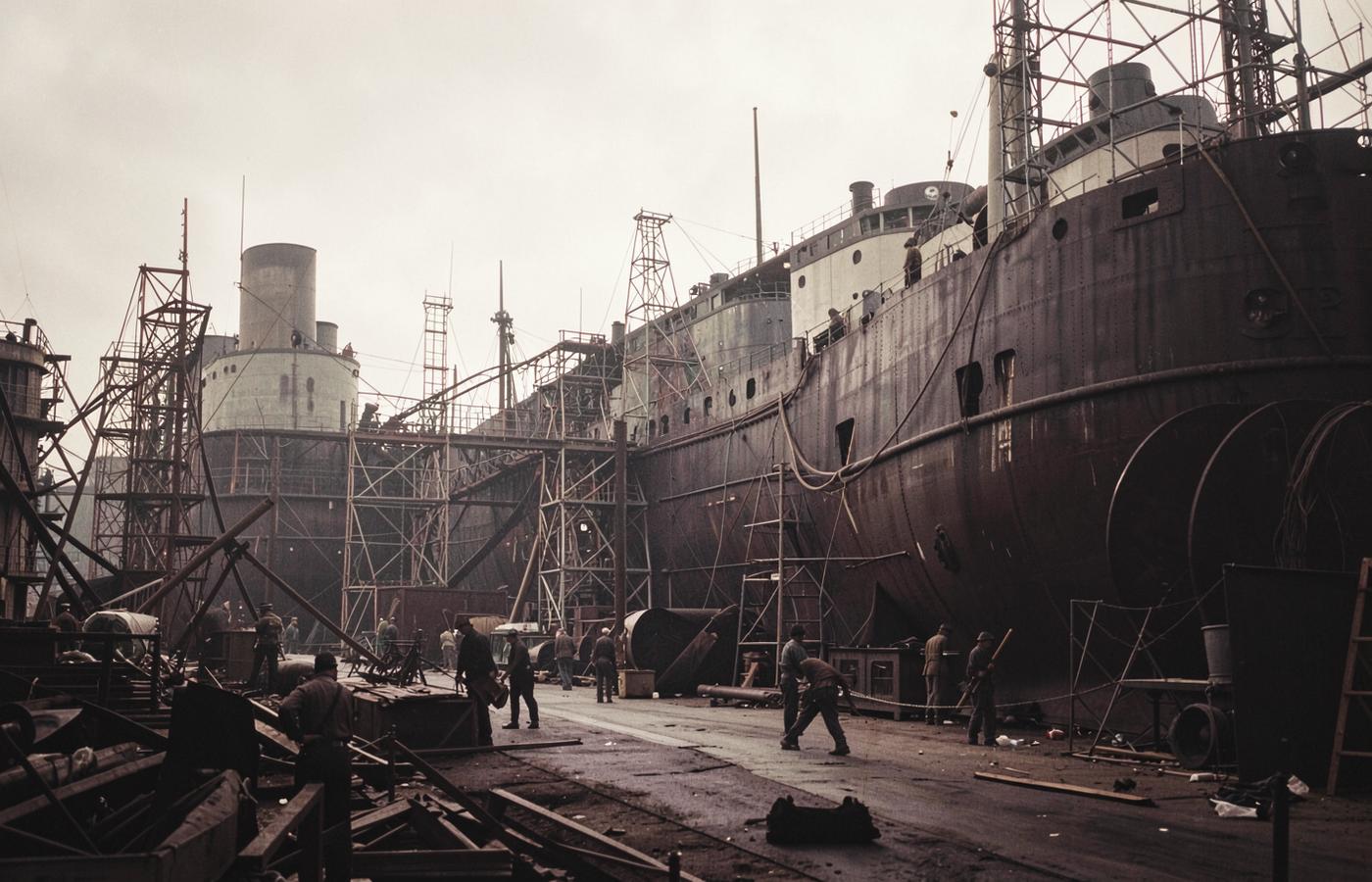
Workers at a historic shipyard where asbestos insulation was widely used

Exposure by trade

Which jobs caused asbestos exposure

Asbestos was in insulation, gaskets, brakes, fireproofing and building board. If you worked around any of it before 1982, exposure is likely — even if you never handled it yourself.

Occupations covered
28
Critical period
Before December 31, 1982
Understand the diagnosis

At a glance

Why these trades

Peak asbestos use in US industry
Pre-1982
Products containing asbestos
3,000+
Delay before symptoms appear
20–50 yr
Cases involving secondary exposure
1 in 5

Directory

All occupations

Navy Veterans: Engine rooms, boiler rooms and shipboard insulation made Navy service the single highest-risk occupational setting.Shipyard Workers: Building and overhauling ships meant cutting, mixing and stripping asbestos insulation in confined spaces.Boilermakers: Boiler installation and repair involved asbestos block, cement and rope on nearly every job.Insulators and Laggers: Insulators handled raw asbestos daily and have among the highest mesothelioma rates of any trade.Pipefitters and Steamfitters: Cutting asbestos pipe covering released fibers directly into the breathing zone.Electricians: Drilling through asbestos board and working near insulated pipe runs created steady exposure.Plumbers: Asbestos gaskets, joint compound and pipe lagging were part of routine plumbing work.Welders: Asbestos blankets, gloves and curtains were used to shield welding heat.Millwrights: Machinery packing and gaskets in mills and plants commonly contained asbestos.Machinists: Gaskets, packing and brake components released fibers during grinding and removal.Auto Mechanics: Brake and clutch work released asbestos dust with every cleaning blow-out.Railroad Workers: Locomotive insulation, brake shoes and shop repairs exposed rail crews for decades.Refinery Workers: Units, furnaces and steam lines were covered in asbestos insulation.Chemical Plant Workers: Reactors, pumps and steam systems relied on asbestos gaskets and lagging.Power Plant Workers: Turbines and boilers were insulated with asbestos, and outages meant large-scale removal.Steel Mill Workers: Furnace linings, protective gear and pipe covering all contained asbestos.Construction Workers: Joint compound, floor tile, roofing and fireproofing spray were asbestos-based.Carpenters: Cutting asbestos board and sanding joint compound created fine airborne dust.Drywall Finishers: Pre-1980 joint compounds contained asbestos and were sanded by hand.Roofers: Roofing felt, mastic and cement sheets frequently contained asbestos.Firefighters: Burning and collapsed structures release asbestos from older building materials.Teachers and School Staff: Deteriorating pipe insulation and ceiling tile exposed staff in older school buildings.Paper Mill Workers: Dryer felts and insulated steam systems were significant sources.Miners: Vermiculite, talc and other ores were contaminated with asbestos fibers.Longshoremen: Handling raw asbestos cargo in sacks released fibers across the docks.HVAC Workers: Duct insulation and boiler work exposed HVAC crews across every decade.Textile Mill Workers: Asbestos yarn and cloth production created some of the highest measured fiber levels.Families and Secondary Exposure: Fibers carried home on work clothes exposed spouses and children who never worked with asbestos.

Proof

How exposure is documented decades later

Employment evidence

  • Social Security earnings record
  • Union membership records
  • Pay stubs and W-2s
  • Company personnel files

Site evidence

  • Product identification databases
  • Plant and job site histories
  • Contractor records
  • Prior litigation findings

Witness evidence

  • Coworker affidavits
  • Family testimony
  • Foreman and supervisor statements
  • Union hall records

Military evidence

  • DD-214
  • Ship and duty assignments
  • Military occupational specialty
  • Shipyard overhaul records

Questions

Occupation FAQs

Find out in minutes whether a claim is still available

Free, confidential case review for patients and families in all 50 states.

Powered by IRPR(opens in a new tab)