Occupation guide
Families and Secondary Exposure and asbestos exposure
Fibers carried home on work clothes exposed spouses and children who never worked with asbestos.
- Highest risk period
- Before 1982
- Typical latency
- 20–50 years after exposure
Secondary exposure affects people who never worked with asbestos themselves. Spouses, children and other household members could breathe fibers carried home on a worker's clothing, hair, tools and vehicle. Many mesothelioma patients with no job-related exposure trace their illness to growing up or living with someone who worked in a shipyard, plant, mill or construction trade. These cases often surface decades later, when an adult is diagnosed and remembers a parent coming home from work covered in dust.
How asbestos became part of the job
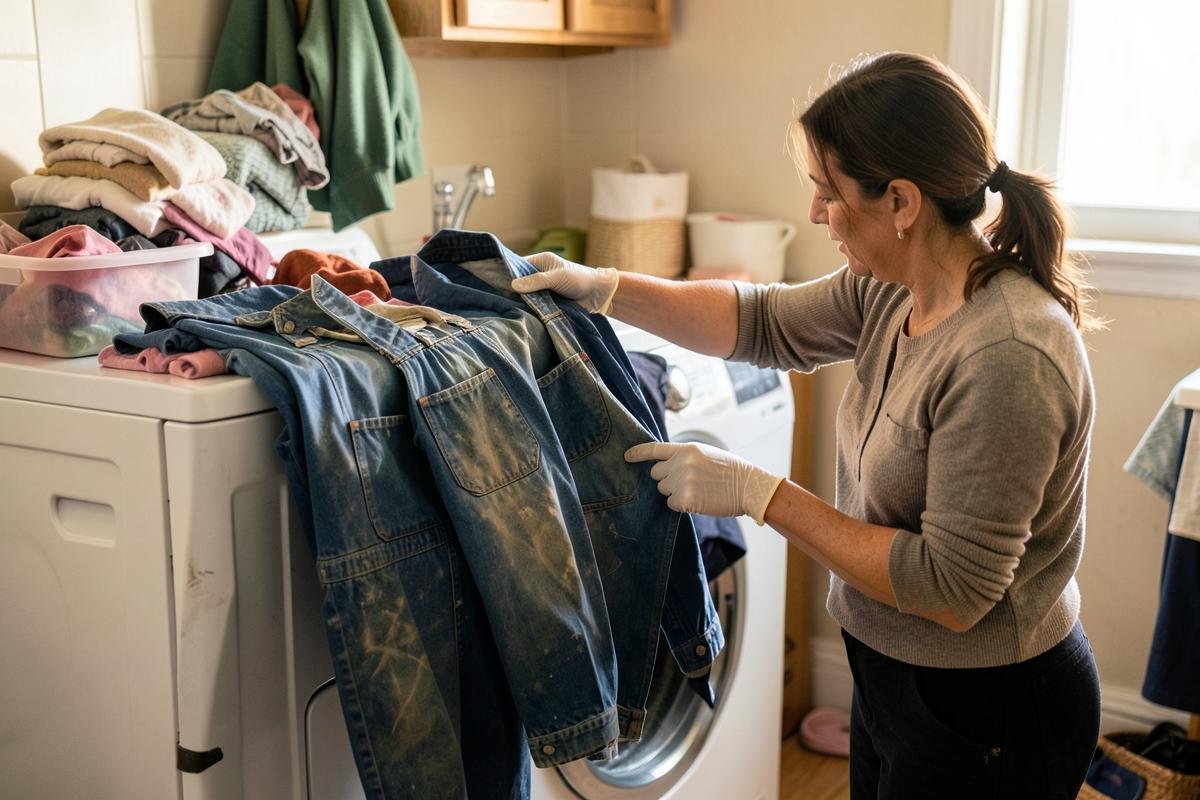
For decades, most workplaces did not provide changing rooms, showers or laundry services, so workers wore dusty clothes home. Asbestos fibers clung to fabric and were shaken loose when clothing was removed, hugged, sat on or washed. The person who did the household laundry often faced the most exposure, shaking out work clothes before washing them. Children could be exposed by greeting a parent after a shift, riding in the family car or playing near work gear. Some families also lived near plants or mines where dust settled in the community. Because the exposed person never worked with the material, their claim depends on the work history of the family member who brought the dust home, which makes that person's employers, trades and job sites central to the case.
Materials
Asbestos products this trade handled
The product types that come up most often when this work history is reviewed.
Dust on work clothing
Fibers carried home on shirts, pants and coveralls and released when clothes were handled or shaken out.
Contaminated laundry
Work clothes washed with household items, spreading fibers during shaking and loading.
Dust in family vehicles
Fibers left on car seats and floors after a worker drove home from the job.
Tools and lunch pails
Work items brought into the home that carried settled dust from the job site.
On the job
Tasks that put fibers in the air
Exposure usually came from ordinary, repeated work rather than one event.
Doing the household laundry
Shaking out dusty work clothes before washing released fibers right in the laundry area.
Greeting a worker after shifts
Hugging or sitting close to someone in work clothes brought children and spouses near the dust.
Riding in the work vehicle
Car seats and floors held dust that family members breathed during rides.
Cleaning the home
Sweeping and dusting areas where work clothes were kept stirred up settled fibers.
Evidence
Records that prove this kind of exposure
Decades later, these are the sources that usually rebuild the history.
| Record | Why it helps |
|---|---|
| The worker's employment history | Shows where the family member worked and what asbestos products were present there. |
| Household living arrangements | Establishes when you lived with the worker and how their work clothes were handled. |
| Laundry and routine descriptions | Details about who washed clothes and how often help show the level of exposure. |
| Statements from relatives | Other family members can confirm daily routines and the worker's job conditions. |
Questions
FAQs for families and secondary exposure
Related trades
Other occupations with similar exposure
Find out in minutes whether a claim is still available
Free, confidential case review for patients and families in all 50 states.