Where exposure happened
- Engine and boiler rooms
- Shipyard overhauls
- Damage control and firefighting gear
- Berthing and mess insulation
Free, confidential case reviews for patients and families in all 50 states
Diagnosis & treatment
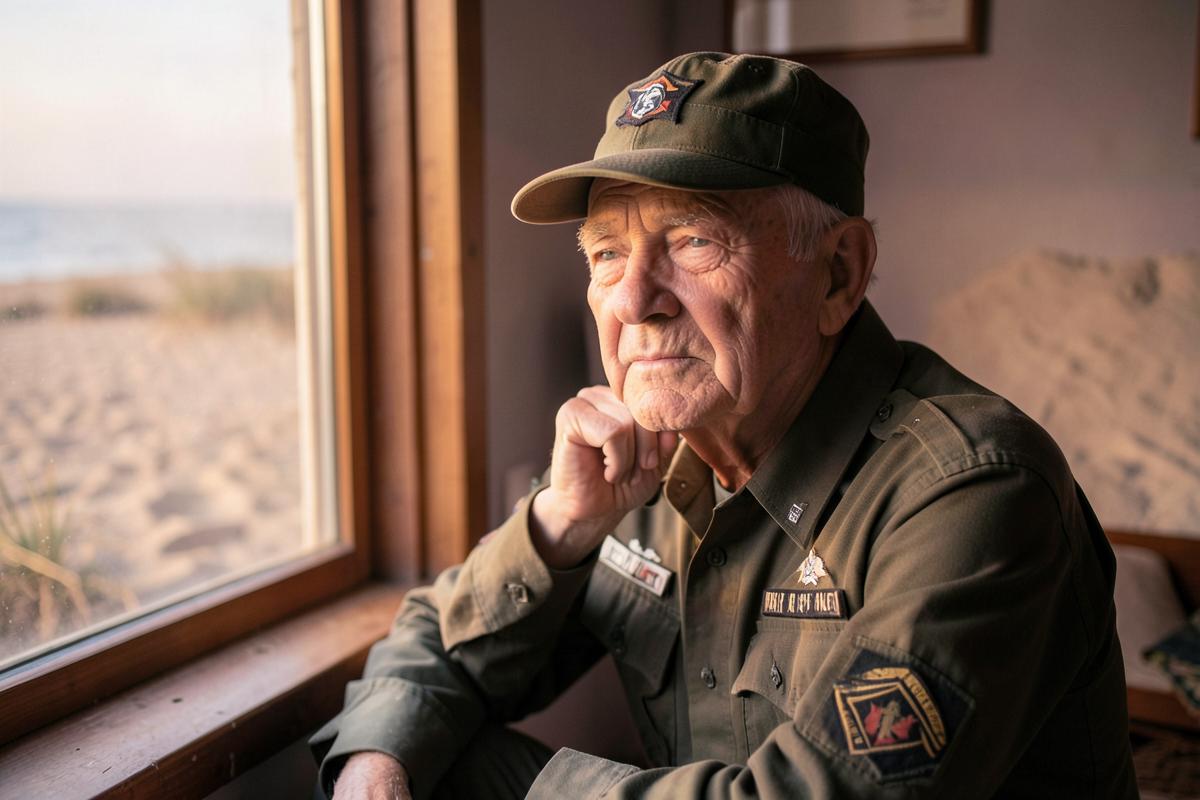
Why veterans, especially Navy veterans who served before 1982, are heavily represented among mesothelioma patients.
Veterans make up a large share of people diagnosed with mesothelioma, largely because the military relied on asbestos for decades in ships, shipyards, bases and vehicles. Many were exposed while simply doing their jobs, often decades before any symptoms appeared. This guide explains where service-related exposure happened, how VA benefits work alongside claims against asbestos manufacturers, what records make the biggest difference, and how veterans can get specialist medical care without losing the benefits they have earned.
The Navy is the branch most associated with mesothelioma, but it is not the only one. Army, Air Force, Marine Corps and Coast Guard personnel could be exposed through vehicle and aircraft maintenance, where brakes, clutches and gaskets contained asbestos. Base buildings, barracks and boiler plants used asbestos insulation, flooring and roofing, and construction or demolition work disturbed it. Merchant mariners and civilian shipyard workers faced similar risks to sailors. Veterans who went on to civilian jobs in construction, shipbuilding, power plants or industry may have been exposed again later. For both medical and legal purposes, it helps to write down every duty station, ship, job title and task, along with the approximate years, rather than assuming only one period counts.
Veterans diagnosed with mesothelioma may qualify for VA disability compensation if the disease is linked to exposure during service. The VA looks for a current diagnosis, evidence of in-service exposure and a medical opinion connecting the two. Mesothelioma is commonly rated at the highest level while it is being treated. Veterans may also receive care through VA health care, including referral to specialists. After a veteran's death, eligible surviving spouses and dependents may qualify for Dependency and Indemnity Compensation. Accredited representatives from veterans service organizations can help prepare and file claims without charging for the initial application. Filing an intent to file with the VA can help protect the earliest possible effective date while you gather the rest of your evidence.
VA benefits are separate from claims against the companies that made and sold asbestos products. Those claims are not lawsuits against the military or the federal government. They target manufacturers and suppliers whose insulation, gaskets, pumps, boilers and other products were used aboard ships and on bases. Many of those companies went bankrupt and set up trust funds to pay people harmed by their products, while others can still be sued. A veteran can usually pursue VA benefits, trust fund claims and a lawsuit at the same time. The key evidence is the same in each case: proof of diagnosis and a clear record of where and how exposure happened. Deadlines apply to legal claims, so starting early protects every option.
The DD-214 is the starting point, showing dates of service, branch and occupational specialty. Service personnel records can show ship assignments and duty stations, and ship histories or deck logs can confirm where a vessel was and when it was in a shipyard. Medical records from service may show early lung findings. Veterans can request records through the National Archives, and family members can often request them after a veteran's death. Personal memories are valuable too: the names of ships, the compartments where you worked, the tasks you performed and the names of shipmates who could confirm them. Writing these down now, while details are fresh, can save weeks later and helps doctors, VA representatives and legal teams understand your history accurately.
Quick reference
Useful to print or bring to an appointment.
Further reading
Practical answers from our resource library.
Questions
Related
Free, confidential case review for patients and families in all 50 states.