Why it is missed
- Symptoms mimic cardiac disease
- Imaging is difficult
- Biopsy is high risk
- Many cases are found during other procedures
Free, confidential case reviews for patients and families in all 50 states
Diagnosis & treatment
A rare mesothelioma of the sac surrounding the heart, often found late because symptoms resemble heart disease.
Pericardial mesothelioma begins in the pericardium, the protective sac that surrounds the heart. It is among the rarest forms of the disease, and many doctors will never see a case. Because it presses on the heart, its symptoms look like common heart conditions, which is why it is often identified late or during a procedure done for another reason. This guide explains what makes it hard to recognize, how doctors investigate it, and what treatment and support usually focus on.
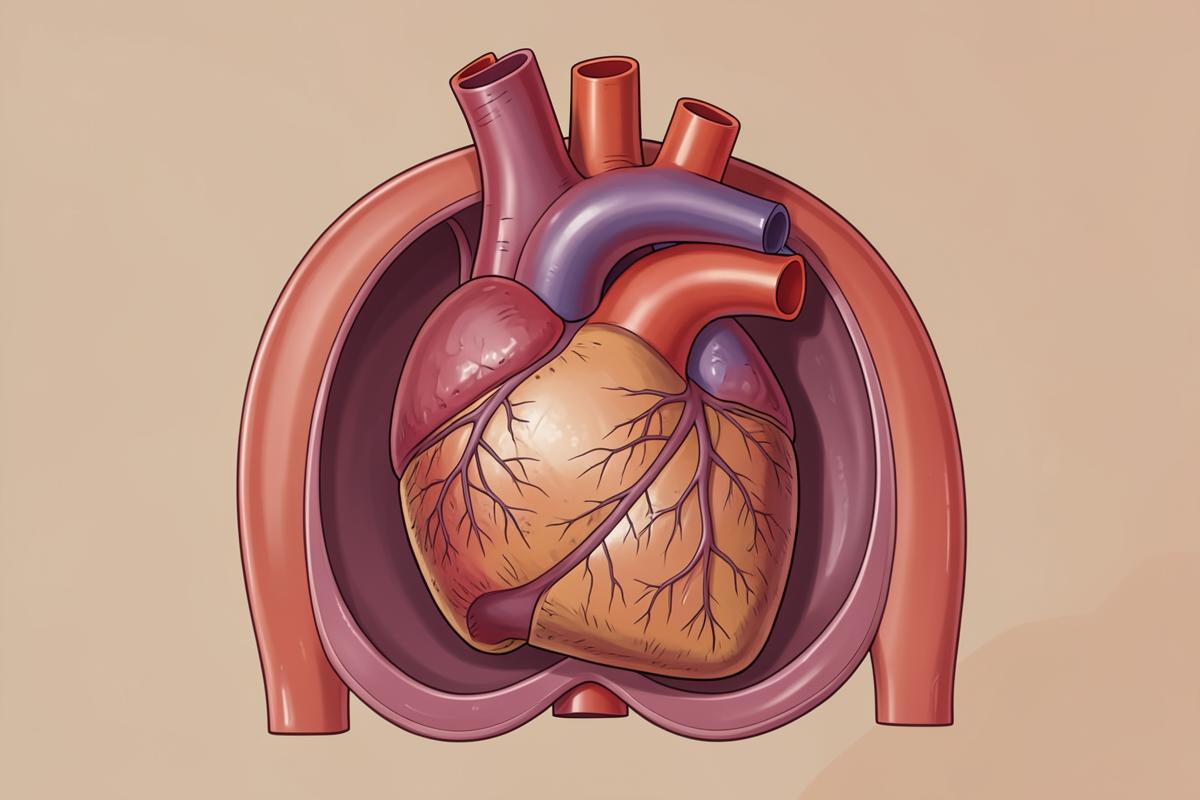
The pericardium is a thin, two-layered sac with a small amount of fluid that lets the heart move smoothly as it beats. When mesothelioma grows in this lining, the sac can thicken and stiffen, and fluid can collect around the heart. Both changes make it harder for the heart to fill properly between beats. If fluid builds quickly, it can cause cardiac tamponade, a dangerous squeezing of the heart that needs urgent drainage. A stiff, thickened sac can produce a similar effect more slowly, a pattern doctors call constriction. These mechanical effects explain many of the symptoms people notice, such as breathlessness, swelling in the legs and a racing or irregular heartbeat, and they are why cardiologists are often the first specialists involved.
Chest discomfort, palpitations, fatigue and breathlessness when lying flat are symptoms doctors see every day in heart patients, so pericardial mesothelioma is rarely the first thing considered. It may first be labeled pericarditis, heart failure or an unexplained effusion. Scans can show fluid or thickening but cannot tell doctors what is causing it. Fluid drained from around the heart may be sent for testing, yet cancer cells are not always found in it. Some cases are only recognized when tissue is removed during a procedure to relieve pressure on the heart. If you have had an effusion that keeps returning, or pericarditis that does not respond as expected, and you have any history of asbestos exposure, mention that history clearly to your cardiology team.
An echocardiogram, an ultrasound of the heart, is usually the first test and shows whether fluid is present and how the heart is moving. Cardiac MRI and CT scans give more detail about the thickness of the pericardium and whether a mass is present, and a PET-CT may show areas of unusual activity. Pericardiocentesis, draining fluid through a needle, can relieve pressure and supply a sample for the lab. A firm diagnosis generally needs tissue, which may be obtained through a surgical window into the pericardium or during a larger operation. Because the disease is so uncommon, a pathologist with mesothelioma experience should review that tissue, using special stains to separate it from other tumors that can involve the heart's lining.
There is no single standard plan for pericardial mesothelioma because so few cases have been studied. Treatment is usually tailored by a team that may include a cardiothoracic surgeon, a cardiologist and a medical oncologist familiar with mesothelioma. When disease is limited, removing part or all of the pericardium may be considered to relieve constriction and reduce tumor. Medicines used for pleural mesothelioma, such as chemotherapy based on pemetrexed and a platinum drug, may be offered, and immunotherapy or trials may be discussed case by case. For many patients, a major goal is keeping the heart working comfortably, which can mean draining fluid or creating a window so fluid can escape. Asking how each option serves your own goals keeps decisions clear.
Because this diagnosis is so rare, families often feel isolated and struggle to find reliable information. Connecting with a center that has treated mesothelioma before can help, even if most care happens closer to home. Palliative care specialists can help manage breathlessness, swelling and fatigue, and can support conversations about goals and priorities. Keeping copies of every echocardiogram, scan and pathology report makes second opinions faster. Family members should know which symptoms mean calling for help right away, such as sudden worsening breathlessness, fainting, or a fast heartbeat with dizziness, since these can signal rapid fluid build-up. Emotional support matters too, and counselors or support groups for people with rare cancers can help families feel less alone.
Quick reference
Useful to print or bring to an appointment.
Further reading
Practical answers from our resource library.
Questions
Free, confidential case review for patients and families in all 50 states.