Occupation guide
Refinery Workers and asbestos exposure
Units, furnaces and steam lines were covered in asbestos insulation.
- Highest risk period
- Before 1982
- Typical latency
- 20–50 years after exposure
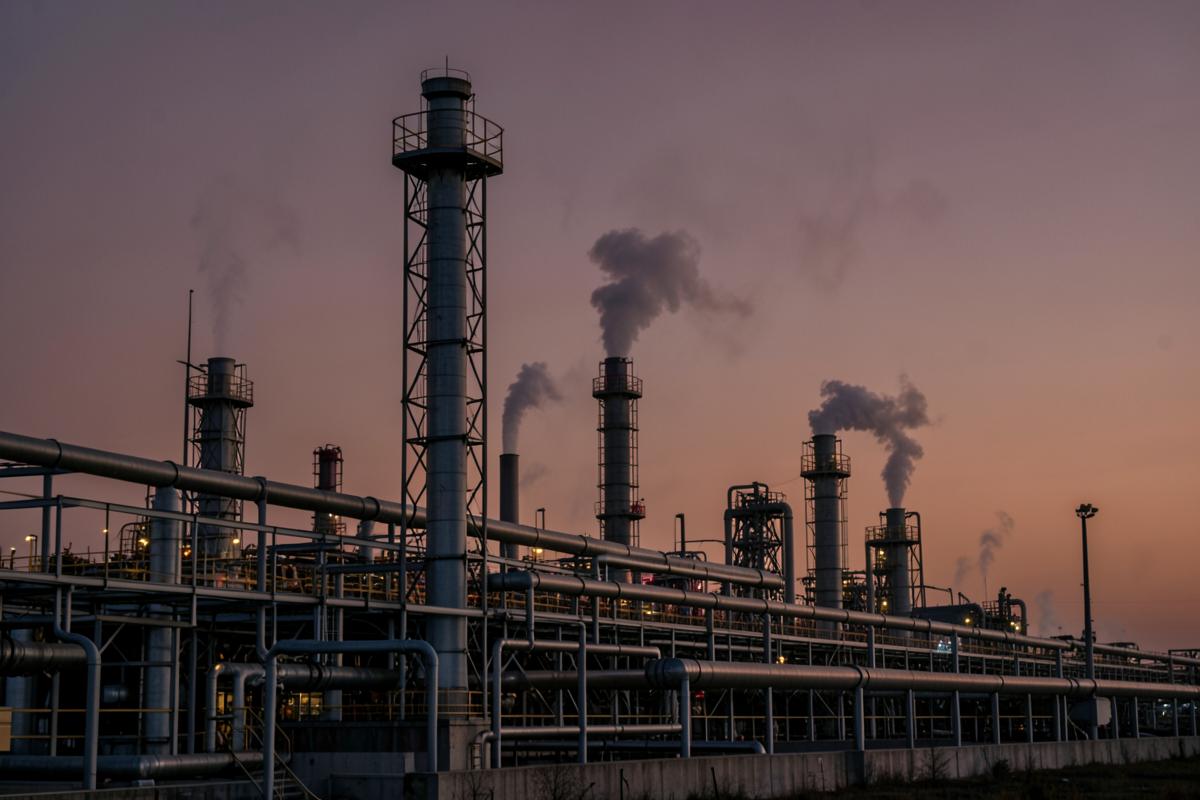
Refinery workers operate and maintain the units that turn crude oil into fuels and chemicals. Refineries run at high temperatures and pressures, so furnaces, heaters, towers and thousands of feet of piping were insulated with asbestos for decades. Operators, maintenance crews and contract craftsmen all spent time around that insulation, especially during turnarounds. Contract craftsmen who moved between refineries along the same coastline could be exposed at several plants within a few years.
How asbestos became part of the job
From heaters and distillation towers to steam and product lines, refineries needed insulation that could withstand extreme heat, and asbestos was widely used. Refractory in furnaces, block and pipe insulation, gaskets and valve packing were part of daily operations. The heaviest exposure often came during turnarounds, when units were shut down and large crews of pipefitters, boilermakers, insulators and laborers opened equipment all at once. Insulation was stripped, gaskets scraped and refractory chipped out in a short, intense window. Operators who walked units and took samples could also be exposed to deteriorating insulation. Many refinery workers were employed by contractors rather than the refinery itself, which makes gathering employment records an important early step. Gulf Coast and other refining regions saw large numbers of workers affected.
Materials
Asbestos products this trade handled
The product types that come up most often when this work history is reviewed.
Furnace and heater refractory
Heat-resistant linings in process heaters, chipped out and replaced during turnarounds.
Process line insulation
Covering on hot piping and vessels throughout the units, removed whenever lines were repaired.
Flange gaskets
Seals on countless process connections, scraped and replaced during maintenance and turnarounds.
Valve and pump packing
Packing in valves and pumps handling hot fluids, repacked regularly by maintenance crews.
Tower and vessel insulation
Insulation on distillation towers and drums, removed for inspections and repairs at height.
On the job
Tasks that put fibers in the air
Exposure usually came from ordinary, repeated work rather than one event.
Working unit turnarounds
Many crafts opened equipment at once, so dust from insulation, gaskets and refractory filled the unit area.
Chipping heater refractory
Breaking out old linings inside heaters produced heavy dust in an enclosed firebox.
Repairing insulated process lines
Cutting insulation to reach leaks or corrosion exposed maintenance workers at the point of repair.
Operating aging units
Operators walking the plant could breathe fibers from damaged or weathered insulation on equipment.
Evidence
Records that prove this kind of exposure
Decades later, these are the sources that usually rebuild the history.
| Record | Why it helps |
|---|---|
| Refinery and contractor employment records | Show whether you worked directly for the refinery or through contractors, and during which years. |
| Turnaround and unit assignments | Identify the units you worked on and the major maintenance periods involved. |
| Union and craft records | Confirm your trade and dispatch history for contract work at refineries. |
| Coworker statements | Fellow operators or craftsmen can confirm conditions and the insulation work done nearby. |
Where this work was common
Local guides for this trade
Cities whose shipyards, plants and job sites employed this trade in large numbers.
Questions
FAQs for refinery workers
Related trades
Other occupations with similar exposure
Find out in minutes whether a claim is still available
Free, confidential case review for patients and families in all 50 states.