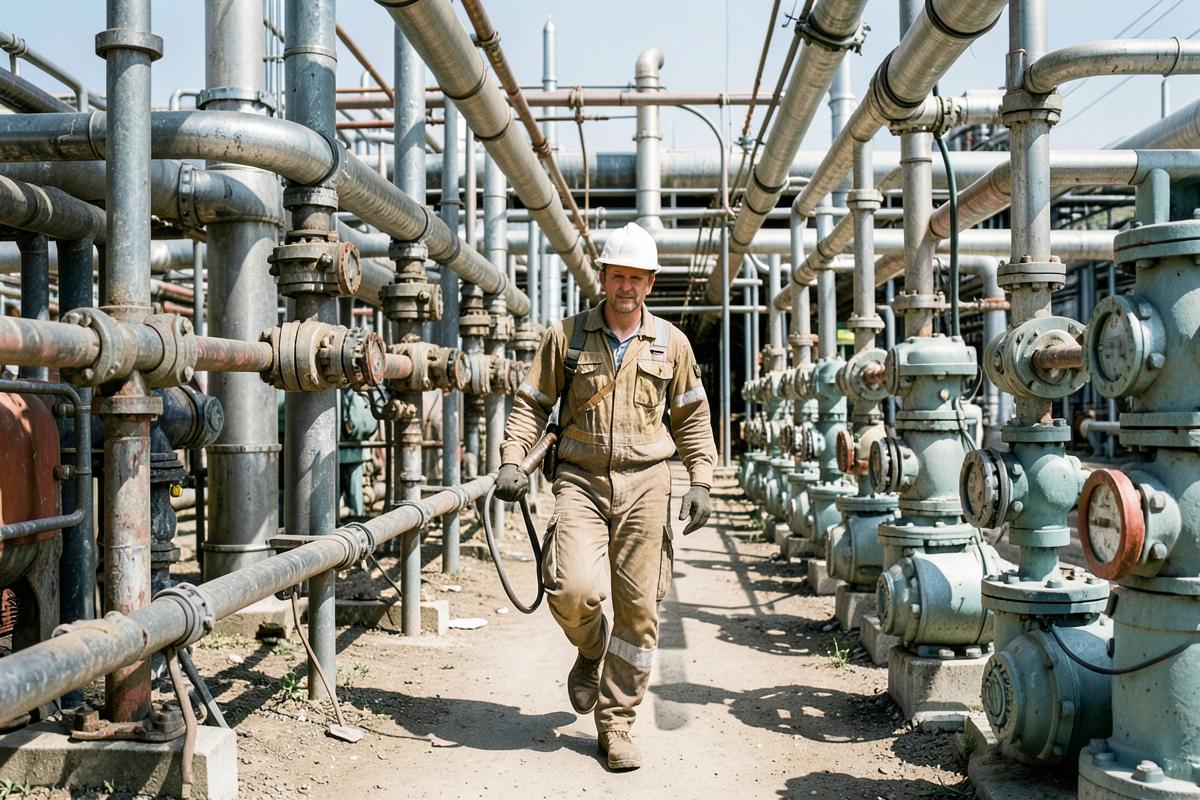
At work
Boilermakers
Boilermakers rebuilt asbestos-lined boilers, often during hot, dusty outages
- Topic
- Occupational risk
- Reading time
- 3 min
Boilermakers built, repaired and rebuilt the boilers that powered plants, ships and factories. Much of that work happened during outages, when equipment was shut down and crews worked long shifts to get it running again. Old insulation and refractory material had to come off before repairs began, and that tear-out often happened in hot, cramped spaces with little ventilation or protection.
Outage work and concentrated exposure
During a planned outage, many crews arrived at once with a tight deadline. Boilermakers worked inside and around boilers while insulators stripped lagging nearby and other trades repaired valves and piping. Dust from all that work collected in enclosed areas. Because outages ran around the clock, workers could spend days in those conditions without a real break. If you remember specific outages, such as a particular plant or a major rebuild, those memories are valuable. They help show when and where exposure was heaviest, which can matter more than the total number of years you spent in the trade.
Traveling work across state lines
Many boilermakers traveled for work, following jobs from one plant or project to the next. A single career could include sites in several states. That matters for a claim because the location of exposure can affect which state's laws apply and where a case might be filed. It also means records may be scattered across different locals and employers. Union travel records, Social Security earnings, and even old pay stubs or tax forms can help rebuild the list. Try to note the city, facility type and approximate year for each out-of-state job you remember, even short ones.
Materials beyond pipe insulation
Boiler work involved more than pipe covering. Crews handled insulating block, cements, rope and gasket materials that were designed to withstand extreme heat, and many of those contained asbestos in earlier decades. Refractory work inside boilers could add more dust. When you describe your job, mention each type of material you remember handling or removing, even if you're unsure of its contents. Product identification is often done later with the help of coworkers and existing records, so your part is to recall the tasks, the equipment and the settings as clearly as possible.
What to do next
- 1
Make a list of plants and projects where you worked outages, including city and state.
- 2
Request union travel and dispatch records covering your full career as a boilermaker.
- 3
Identify coworkers from major outages who can describe the conditions and materials.
- 4
Share your complete job list during a free case review to check which filing options apply.
Questions
Common questions
Keep reading
Related resources
Find out in minutes whether a claim is still available
Free, confidential case review for patients and families in all 50 states.