Charleston, SC
Mesothelioma and asbestos exposure in Charleston
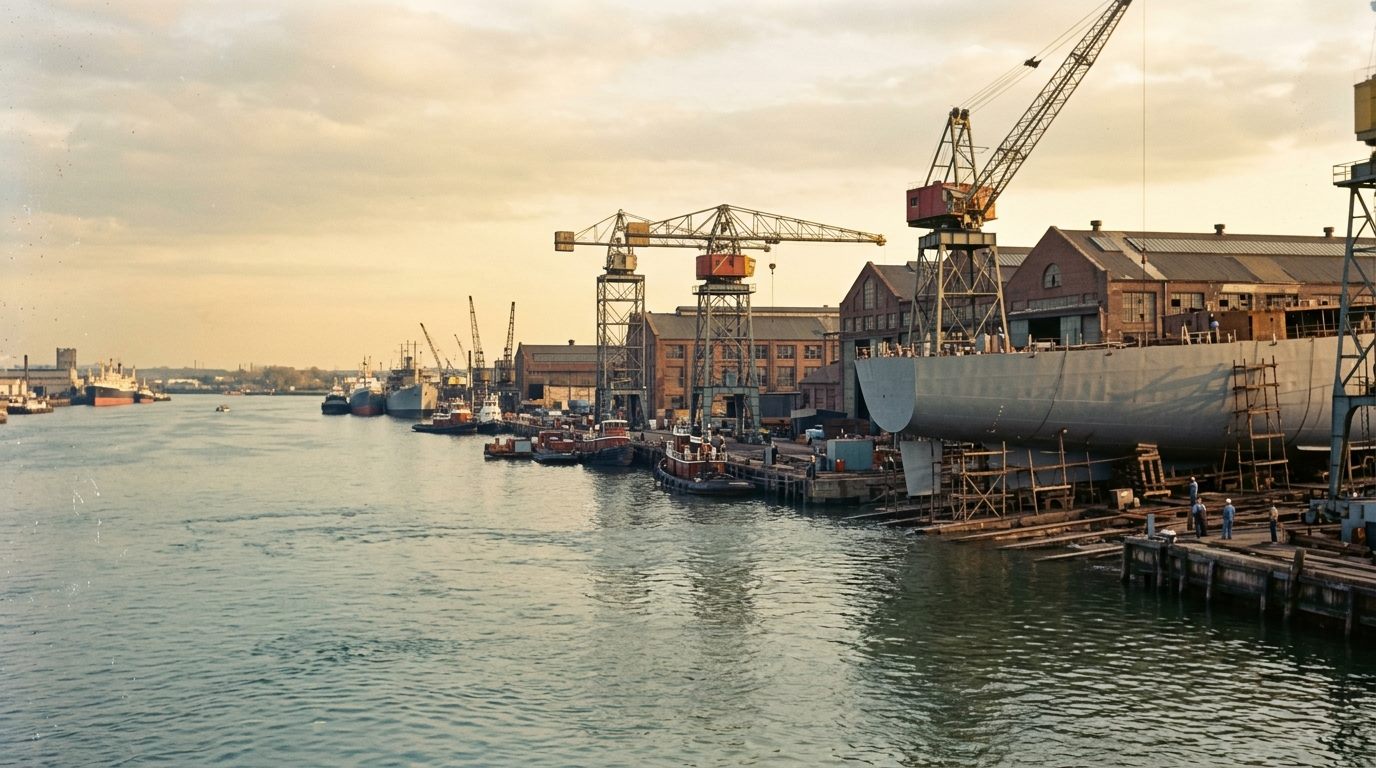
Charleston's asbestos history is tied to the Charleston Naval Shipyard, which repaired and overhauled Navy ships and submarines for much of the twentieth century, and to the military and industrial facilities that grew up around the harbor and along the Cooper River.
- Filing deadline
- 3 years from diagnosis
- Main asbestos court
- South Carolina Court of Common Pleas, Richland County
How asbestos reached Charleston workplaces
The Charleston Naval Shipyard on the Cooper River employed thousands of civilians until it closed in the 1990s. The yard overhauled surface ships and submarines, work that meant removing and replacing asbestos insulation on boilers, turbines and piping. Crews worked in confined spaces during long overhauls, and bystander trades breathed the same dust as the insulators. For many Lowcountry families, the shipyard was the best-paying job available, and several relatives often worked there at the same time, sometimes across two or three generations. That concentration is part of why shipyard exposure remains such a large share of local claims.
The Navy's presence in Charleston extended to the naval station and weapons station, where sailors and civilians maintained ships and facilities from the same era. Sailors assigned to ships in overhaul often stayed aboard while insulation work went on around them. Charleston's industrial waterfront also included paper and chemical operations whose boilers and steam systems used asbestos insulation. Families of these workers faced household exposure from dusty clothes brought home at the end of each shift, which is why spouses and children appear among Charleston-area patients even though they never worked at the shipyard themselves.
Trades most exposed locally
- Shipyard pipefitters
- Insulators
- Boilermakers
- Electricians
- Submarine and surface ship sailors
- Paper mill workers
Exposure sites
Where Charleston workers encountered asbestos
Historic workplaces most often named in local exposure histories.
Charleston Naval Shipyard
Naval shipyardNorth Charleston
Overhauled Navy surface ships and submarines until the 1990s. Asbestos insulation work during overhauls exposed civilian trades, supervisors and the crews of ships in the yard.
Naval Weapons Station Charleston
Naval installationGoose Creek area
A large Navy installation where maintenance of older buildings, heating systems and support facilities involved insulation, flooring and other materials from the era when asbestos was widely used in military construction.
Filing a claim
Bringing a claim from Charleston
South Carolina asbestos claims are generally brought in the Court of Common Pleas, and the state has concentrated much of its asbestos docket in Richland County. Charleston cases may be filed there or in other venues depending on the facts. Shipyard personnel records, Navy service records and union history are the core evidence. Because the shipyard closed decades ago, locating former coworkers early can make a real difference.
Personal injury
3yr
from diagnosis in South Carolina
Wrongful death
3yr
from the date of death
Our review window
3yr
diagnosis window we accept
Treatment
Specialist care near Charleston
Mesothelioma is rare, so a pathology review and treatment plan from an experienced center matters. Ask your oncologist about referral.
MUSC Hollings Cancer Center
Charleston's academic cancer center, offering thoracic surgery, medical oncology, radiation oncology and clinical trials for South Carolina patients.
Further reading
Explainers for Charleston families
Short guides matched to the local industries and the claim process.
Questions
Charleston mesothelioma FAQs
Keep reading
More for South Carolina families
Check a Charleston case today
Free, confidential case review for patients and families in all 50 states.