At work
Insulators and Laggers
Insulators handled raw asbestos daily and have among the highest mesothelioma rates of any trade
- Topic
- Occupational risk
- Reading time
- 3 min
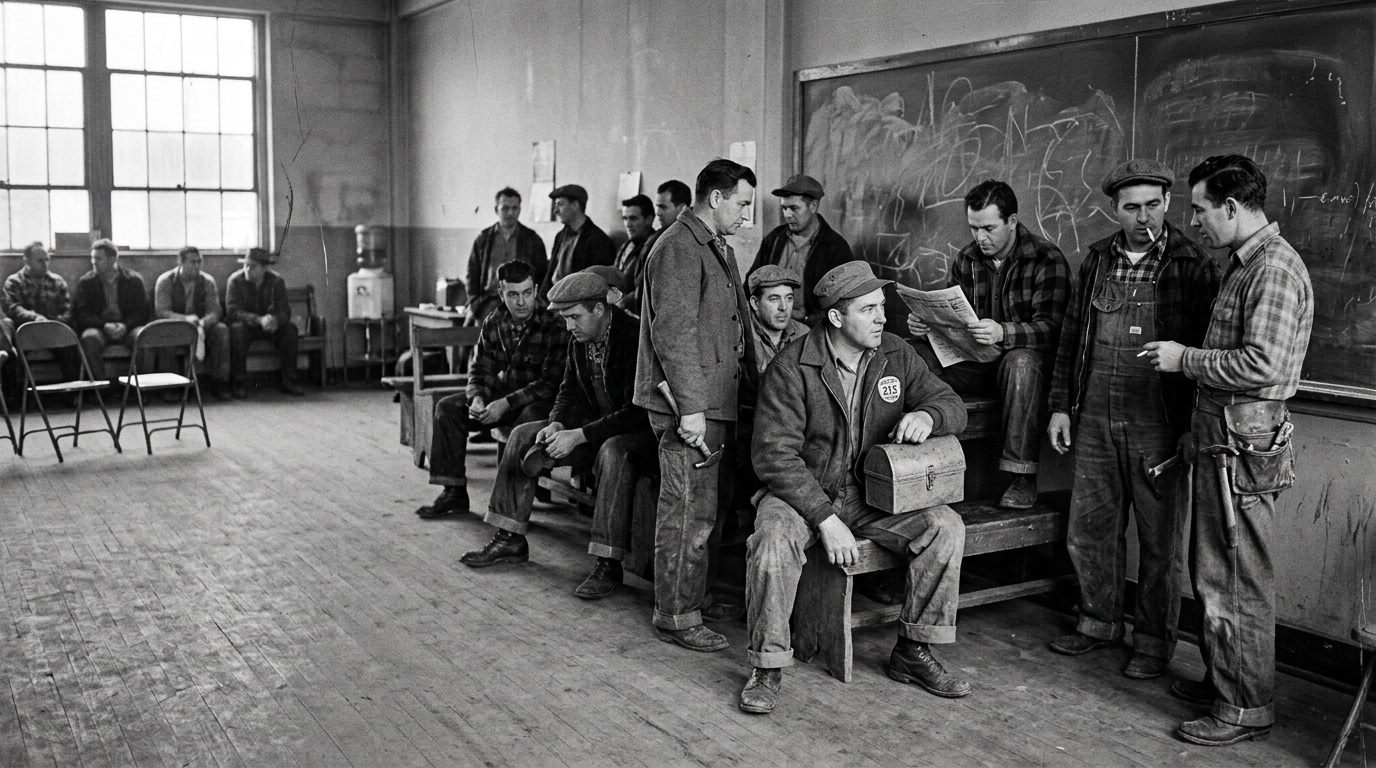
Insulators, sometimes called laggers or heat and frost workers, applied and removed asbestos insulation as their core job. They didn't just work near the material. They cut it, mixed it and shaped it by hand, often every working day for years. That direct contact is why this trade is so closely tied to mesothelioma, and why insulators' work histories carry so much weight in claims.
What the daily work involved
An insulator's day might include sawing pipe covering to length, fitting block insulation around boilers, and mixing dry insulating cement with water in a bucket. Each of those tasks created dust right at face level. Finishing work, like smoothing cement over joints, added more. When old insulation needed replacing, insulators tore it out first, which could be the dustiest part of the job. Many worked overhead, so debris fell onto their faces and clothing. Describing these tasks in detail, including the tools you used, helps show how intense and frequent the exposure was over your working years.
Why union records carry weight
Many insulators belonged to a local of their trade union and were dispatched from a hiring hall. Those locals often kept records of which contractor you were sent to and when. Pension and welfare fund records may show hours credited by employer. Together, these documents can reconstruct a career that spanned dozens of job sites. They also help when memory is patchy, which is common for anyone who moved between contractors every few weeks. Asking the local for your records early is worthwhile, because some files take time to locate and older paper records may be stored off site.
How product names connect to trusts
Many companies that manufactured asbestos insulation later went through bankruptcy and set up trusts to pay claims. Because insulators handled these products directly, they often remember brand names printed on boxes or bags. Each trust has its own list of products and sites it accepts as evidence. A remembered brand name, a job site that appears on a trust's approved list, or a coworker who can confirm what was used can all support a trust claim. Several trusts may apply to a single insulator's career, and those claims can proceed alongside any lawsuit against companies that are still operating.
What to do next
- 1
Contact your union local and request dispatch, membership and pension records for your whole career.
- 2
Write down any insulation brand names you remember seeing on boxes, bags or cartons.
- 3
List major job sites such as power plants, refineries or ships, with approximate years.
- 4
Keep your pathology report and diagnosis date together with your work records in one folder.
Questions
Common questions
Keep reading
Related resources
Find out in minutes whether a claim is still available
Free, confidential case review for patients and families in all 50 states.