Occupation guide
Construction Workers and asbestos exposure
Joint compound, floor tile, roofing and fireproofing spray were asbestos-based.
- Highest risk period
- Before 1982
- Typical latency
- 20–50 years after exposure
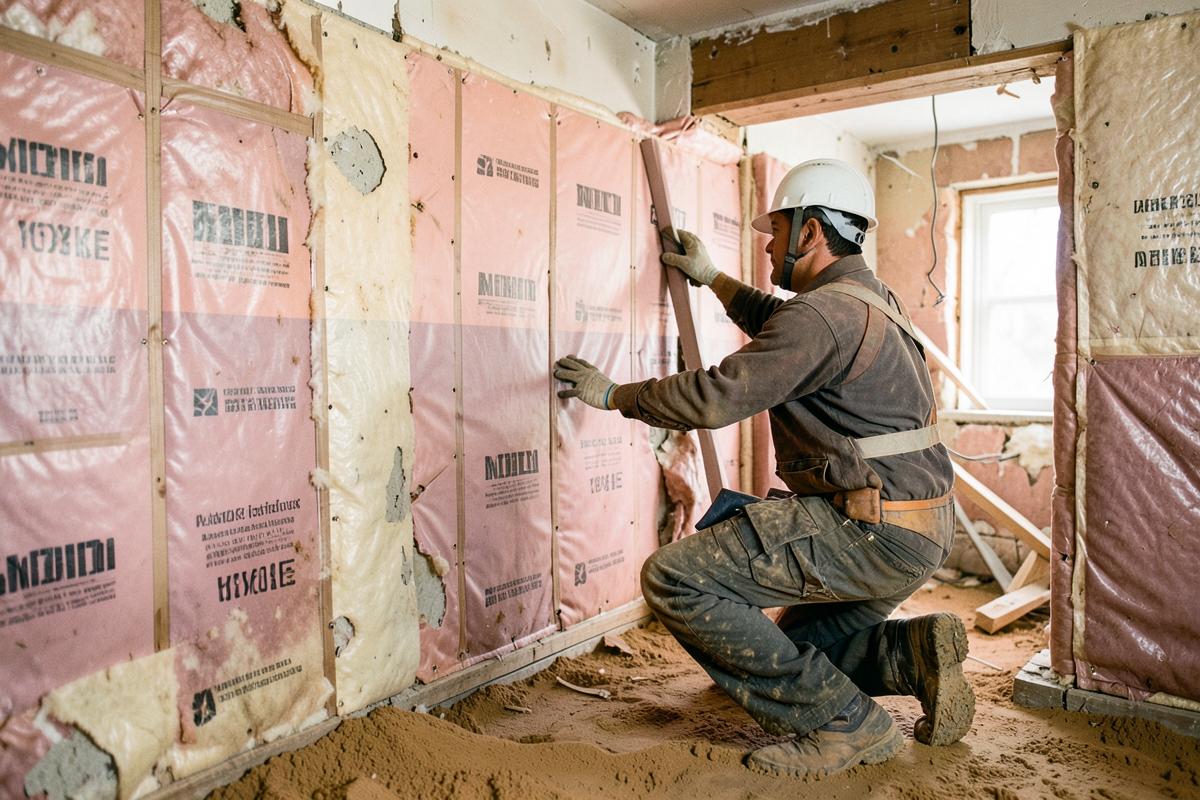
Construction workers build and renovate homes, schools, offices and industrial buildings. Before the 1980s, many common building products contained asbestos, from joint compound and floor tile to roofing and spray-on fireproofing. Laborers, carpenters, finishers and general tradespeople cut, sanded and demolished these materials, often without knowing what they contained. Their exposure often came in short bursts on many different sites, which is why a detailed list of projects and employers makes such a difference.
How asbestos became part of the job
Asbestos was added to a wide range of construction materials because it was cheap, strong and fire-resistant. Framing and finishing crews used asbestos-containing joint compound, drywall texture and wallboard. Floors were covered with asbestos vinyl tile and adhesives, roofs with asbestos shingles and felts, and structural steel in larger buildings was sprayed with asbestos fireproofing. Siding and cement panels also often contained it. Mixing, cutting, sanding and cleanup created dust, and sites were rarely controlled. Renovation and demolition work later brought workers into contact with aging materials that crumbled easily. Because construction workers moved from site to site and employer to employer, their exposure histories can include many projects, and reconstructing those jobs is a key part of a claim.
Materials
Asbestos products this trade handled
The product types that come up most often when this work history is reviewed.
Spray-on fireproofing
Asbestos coating sprayed onto structural steel in commercial buildings, filling the air on site during application.
Asbestos-cement siding and panels
Durable exterior and interior sheets that released dust when cut, drilled or broken.
Vinyl floor tile and mastic
Resilient tile and adhesive installed and removed across homes, schools and offices.
Joint compound and texture
Wall finishing products mixed and sanded on site, producing fine airborne dust.
Roofing shingles and felts
Asbestos roofing materials cut and torn off during installation and replacement.
On the job
Tasks that put fibers in the air
Exposure usually came from ordinary, repeated work rather than one event.
Demolishing interior finishes
Tearing out walls, ceilings and floors in older buildings broke asbestos materials into dust.
Cutting cement panels and siding
Power saws turned asbestos-cement sheets into fine dust at the point of the cut.
Working near fireproofing crews
Spraying fireproofing on steel spread fibers across the floor where other trades were working.
General site cleanup
Laborers swept and bagged debris containing asbestos, stirring up settled dust.
Evidence
Records that prove this kind of exposure
Decades later, these are the sources that usually rebuild the history.
| Record | Why it helps |
|---|---|
| Construction employer history | Lists the builders and subcontractors you worked for across different projects. |
| Project names and building dates | Help show which asbestos products were likely installed or removed at each site. |
| Laborers or trade union records | Confirm your trade and dispatch history when company records are missing. |
| Coworker testimony | Other workers can confirm the products used and the dust conditions on specific jobs. |
Where this work was common
Local guides for this trade
Cities whose shipyards, plants and job sites employed this trade in large numbers.
Questions
FAQs for construction workers
Further reading
Explainers for this work history
Related trades
Other occupations with similar exposure
Find out in minutes whether a claim is still available
Free, confidential case review for patients and families in all 50 states.