Exposure
Where Asbestos Was Used in Buildings
Asbestos appears in insulation, floor tile, roofing, plaster, pipe lagging and fireproofing spray
- Topic
- Asbestos exposure & products
- Reading time
- 3 min
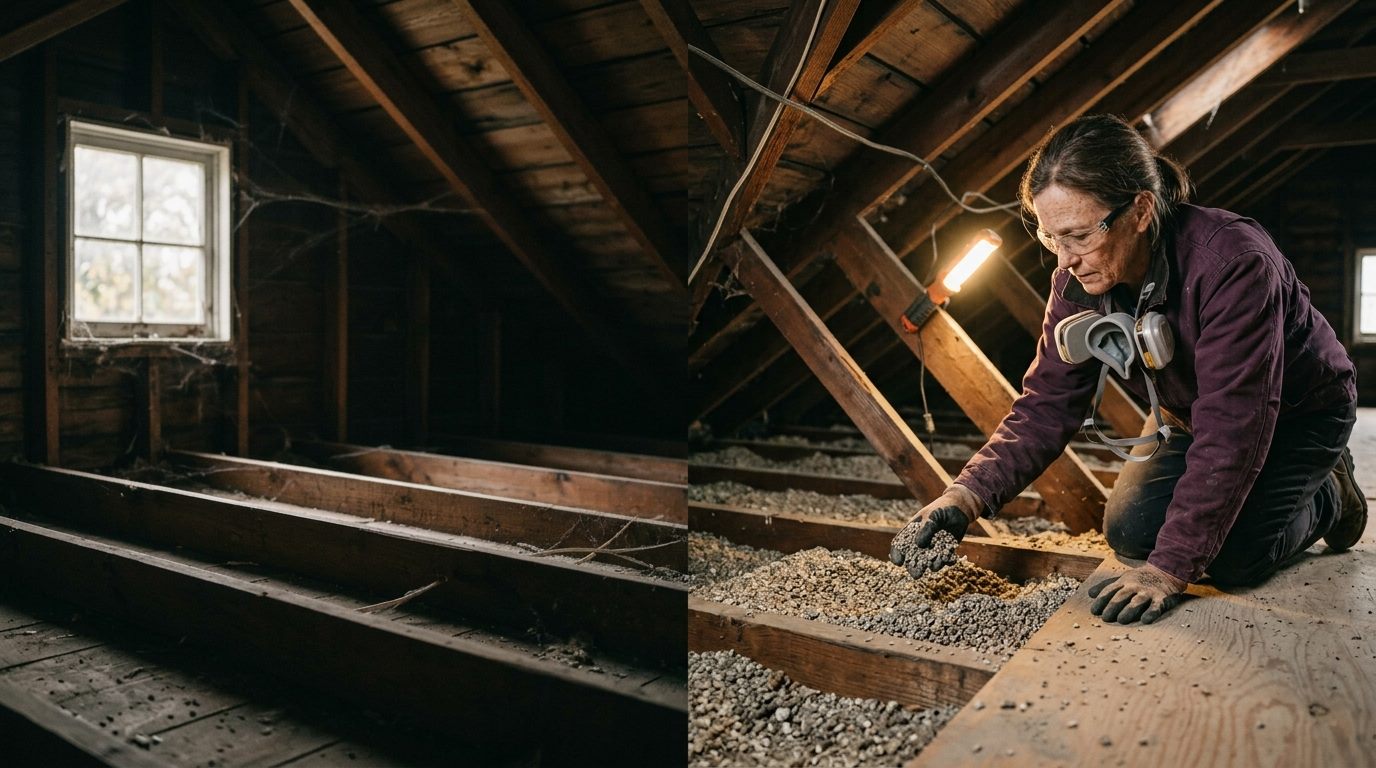
Buildings constructed or renovated before about 1980 may contain asbestos in dozens of places, many of them hidden behind walls, above ceilings or beneath newer flooring. Intact, undisturbed material generally poses little risk to occupants. The danger comes when those materials are cut, drilled, sanded, broken or allowed to deteriorate, releasing fibers into the air people breathe.
Materials most often found
Common asbestos-containing materials include thermal system insulation on pipes and boilers, spray-applied fireproofing on structural steel, acoustic ceiling plaster, vinyl floor tile and its mastic, roofing felt and shingles, cement siding, joint compound and textured paints. Duct wrap, fire doors, electrical panels and window glazing putty sometimes contained asbestos too. The only way to be sure is laboratory testing of a sample. Building age offers a clue, but some asbestos products remained available into the 1980s and beyond, so newer buildings are not automatically free of it. Inspectors know which materials to sample and how to do it without spreading fibers.
Who was exposed in older buildings
Tradespeople who installed or removed these materials faced the highest exposure. Electricians, plumbers, carpenters and HVAC technicians often drilled or cut into asbestos products while doing unrelated work. Custodians and maintenance staff swept up debris from damaged ceilings and pipe insulation. Office workers, teachers and residents could also be exposed when materials were disturbed during renovations or when damaged insulation shed fibers into the air. In many buildings, nobody was told what the materials contained until regulations required inspections. Workers in hospitals, factories and government buildings describe similar experiences. If you remember ceiling tiles being moved, pipe insulation hanging loose or dusty repair work, write down the building and approximate years.
What the rules require today
Federal and state rules require inspections for asbestos before many renovation and demolition projects in commercial and public buildings. Owners must manage known asbestos materials and, in many cases, inform workers who may disturb them. Removal must follow specific procedures designed to prevent fibers from escaping. Homeowners working on their own single-family homes face fewer federal requirements, but state and local rules may still apply. Before any renovation of an older building, hiring an accredited inspector to sample suspect materials is the safest first step. Contractors should follow those findings and keep records of any removal.
What to do next
- 1
Ask the building owner or manager for any asbestos survey before renovation work begins.
- 2
Hire an accredited inspector to sample suspect materials before cutting or removing them.
- 3
Avoid drilling, sanding or sweeping damaged materials that might contain asbestos.
- 4
Write down older buildings where you worked during renovations, with approximate dates.
Questions
Common questions
Keep reading
Related resources
Find out in minutes whether a claim is still available
Free, confidential case review for patients and families in all 50 states.