At work
Construction Laborers
Laborers cleaned up asbestos debris without protection on nearly every site
- Topic
- Occupational risk
- Reading time
- 3 min
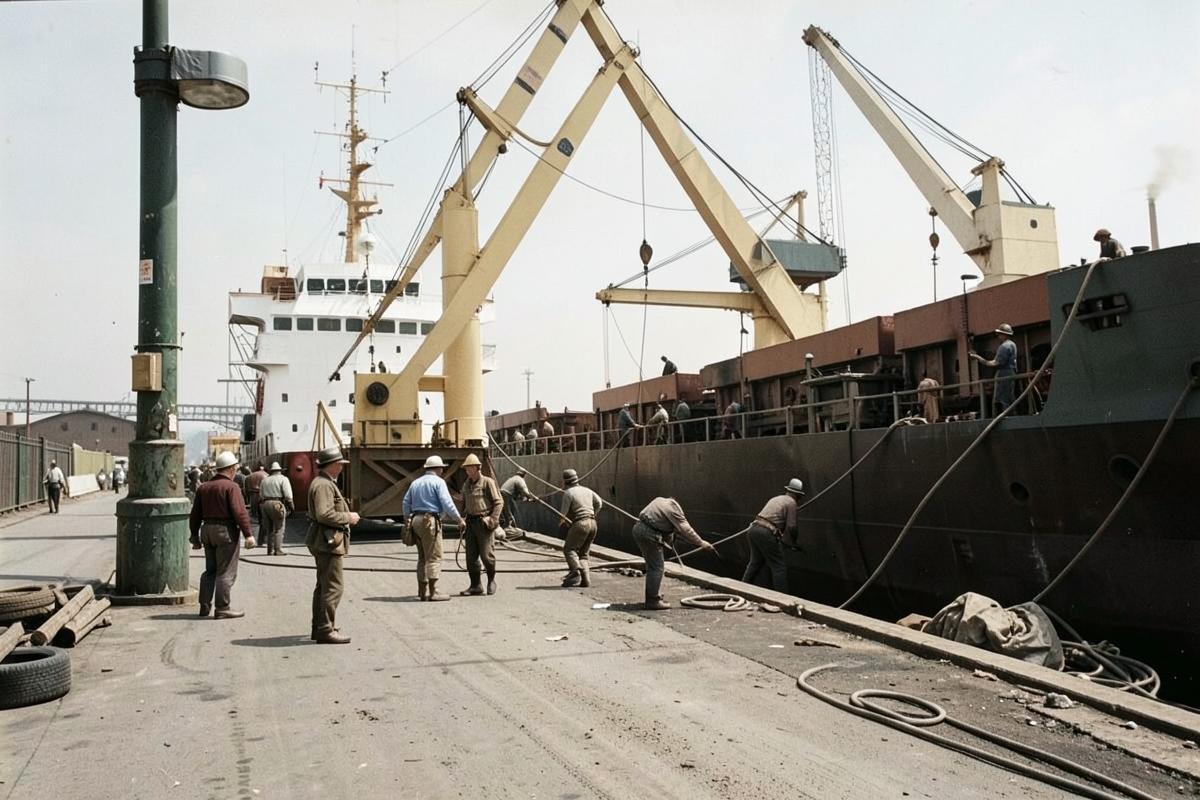
Construction laborers did the jobs that kept sites moving: cleanup, demolition, carrying materials and helping skilled trades. That meant constant contact with debris from other workers' tasks. When those tasks involved asbestos, laborers often ended up sweeping, bagging and hauling the dust without any protection, sometimes on several different job sites in the same week.
Cleaning up after other trades
Laborers were often assigned to sweep floors, bag debris and haul scraps after insulators, drywall finishers, fireproofers and other trades finished their work. Dry sweeping stirred settled dust right back into the air. Loading debris into chutes, carts or dumpsters added more. Because laborers moved between floors and areas, they could be exposed to materials from several trades on the same day. When describing your work, note which trades you cleaned up after, how the cleanup was done, and whether you ever used compressed air or brooms in enclosed rooms.
Demolition and tear-out work
Laborers frequently handled demolition, removing walls, ceilings, flooring and old heating systems. In older buildings, those materials could include asbestos-containing products such as pipe insulation, ceiling tile and floor tile. Before modern regulations, demolition often happened without surveys, wetting or containment of any kind. Workers used hammers, bars and saws, creating heavy dust in closed spaces. If you did demolition work, include the types of buildings, their approximate age, the materials you removed and how long typical tear-out jobs lasted. Rubble was often loaded by hand, which kept the dust close to your face and clothing.
Documenting sites across many employers
Laborers often worked for several contractors in a single year, moving from site to site as work came and went. This makes it important to document not just employers but specific projects. Union dispatch records can help, as can your Social Security earnings statement. Coworkers, foremen or relatives may remember major projects you worked on. Try to list notable buildings, like hospitals, schools, plants or office towers, since those sites may have known product histories. Even a rough description of a building and its city can help investigators identify it later.
What to do next
- 1
List major projects you worked on, including the building type, city and approximate year.
- 2
Describe your cleanup and demolition tasks and how dust and debris were usually handled.
- 3
Request union dispatch records and your Social Security earnings statement to confirm employers.
- 4
Contact former foremen or coworkers who remember specific job sites and conditions.
Questions
Common questions
Keep reading
Related resources
Find out in minutes whether a claim is still available
Free, confidential case review for patients and families in all 50 states.