Occupation guide
Miners and asbestos exposure
Vermiculite, talc and other ores were contaminated with asbestos fibers.
- Highest risk period
- Before 1982
- Typical latency
- 20–50 years after exposure
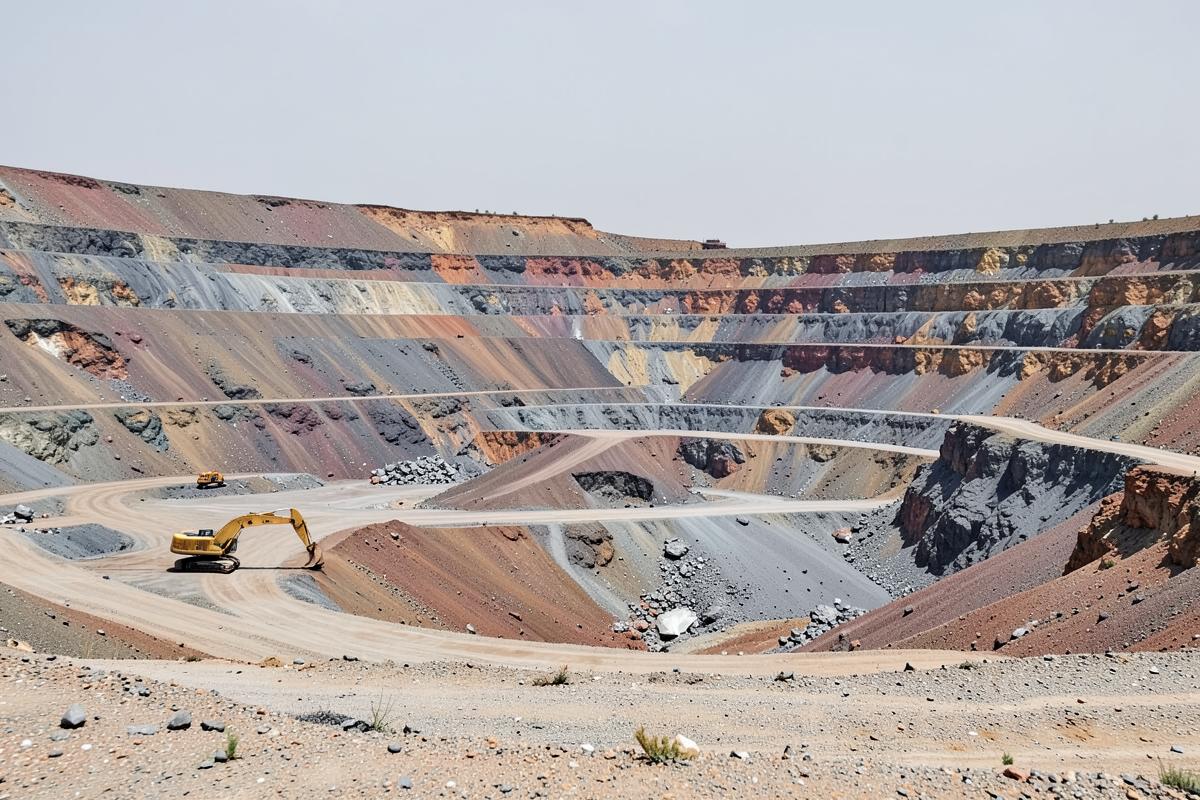
Miners extract minerals from underground and open-pit operations. Some minerals, including certain vermiculite and talc deposits, were naturally contaminated with asbestos fibers, and some mines produced asbestos itself. Miners and mill workers who dug, crushed and processed these ores could breathe the fibers, and their families could be exposed through dust brought home. Mill workers who crushed and bagged the ore often faced heavier dust than miners at the working face.
How asbestos became part of the job
Asbestos exposure in mining comes mainly from deposits where asbestos minerals occur naturally alongside the ore being mined. The best-known example is the vermiculite mine near Libby, Montana, operated for years by W.R. Grace, where the ore was contaminated with a hazardous form of asbestos and many workers and residents were harmed. Some talc deposits have also been found to contain asbestos. In addition, a small number of U.S. mines produced asbestos directly. Mining and milling involved drilling, blasting, crushing and bagging ore, all of which generated dust. Workers sometimes carried that dust home on clothing and in vehicles. Miners in other operations could also encounter asbestos through equipment such as brakes, gaskets and insulation. Identifying the specific mine and what it produced is central to a miner's claim.
Materials
Asbestos products this trade handled
The product types that come up most often when this work history is reviewed.
Contaminated vermiculite ore
Ore from certain deposits that contained asbestos fibers, released during mining, milling and shipping.
Talc ore
Some talc deposits contained asbestos minerals, creating exposure when the ore was mined and processed.
Mined asbestos
Raw asbestos produced at a small number of U.S. mines and handled during extraction and bagging.
Mine equipment components
Brakes, clutches and gaskets on haul trucks and machinery that could contain asbestos.
On the job
Tasks that put fibers in the air
Exposure usually came from ordinary, repeated work rather than one event.
Drilling and blasting ore
Breaking contaminated rock released fibers into the air around the working face.
Crushing and milling ore
Processing plants ground ore into smaller particles, generating heavy dust inside mill buildings.
Bagging and loading product
Filling bags and loading rail cars with processed mineral stirred up fine dust.
Maintaining mine equipment
Servicing brakes and engines on heavy equipment added friction and gasket dust.
Evidence
Records that prove this kind of exposure
Decades later, these are the sources that usually rebuild the history.
| Record | Why it helps |
|---|---|
| Mine employment records | Confirm the mine, the company and your years of work. |
| Mine and deposit information | Shows what the mine produced and whether its ore was contaminated with asbestos. |
| Job assignment details | Distinguish mining, milling and loading work, which involved different dust levels. |
| Coworker and family statements | Describe dust conditions at the mine and how it was carried home. |
Where this work was common
Local guides for this trade
Cities whose shipyards, plants and job sites employed this trade in large numbers.
Questions
FAQs for miners
Further reading
Explainers for this work history
Related trades
Other occupations with similar exposure
Find out in minutes whether a claim is still available
Free, confidential case review for patients and families in all 50 states.