Exposure
Vermiculite and Libby, Montana
Vermiculite from Libby was contaminated with amphibole asbestos and shipped nationwide
- Topic
- Asbestos exposure & products
- Reading time
- 3 min
Vermiculite is a mineral that expands when heated, making a light, pebbly material used as insulation and in gardening products. A large mine near Libby, Montana, produced much of the country's vermiculite for decades, and its ore was contaminated with amphibole asbestos. That contamination caused a public health disaster in Libby and exposed people across the country.
What happened in Libby
The Libby mine operated for decades until it closed in 1990. Miners and mill workers breathed dust from contaminated ore, and dust spread through the town from processing, transportation and waste materials used in yards and playgrounds. Residents who never worked at the mine developed asbestos-related diseases. The EPA declared a public health emergency in Libby in 2009, the first such declaration under its Superfund authority. Cleanup work took place over many years, and a local clinic has provided screening and care for people exposed in the area. The story of Libby drew national attention to the dangers of contaminated minerals.
Vermiculite shipped nationwide
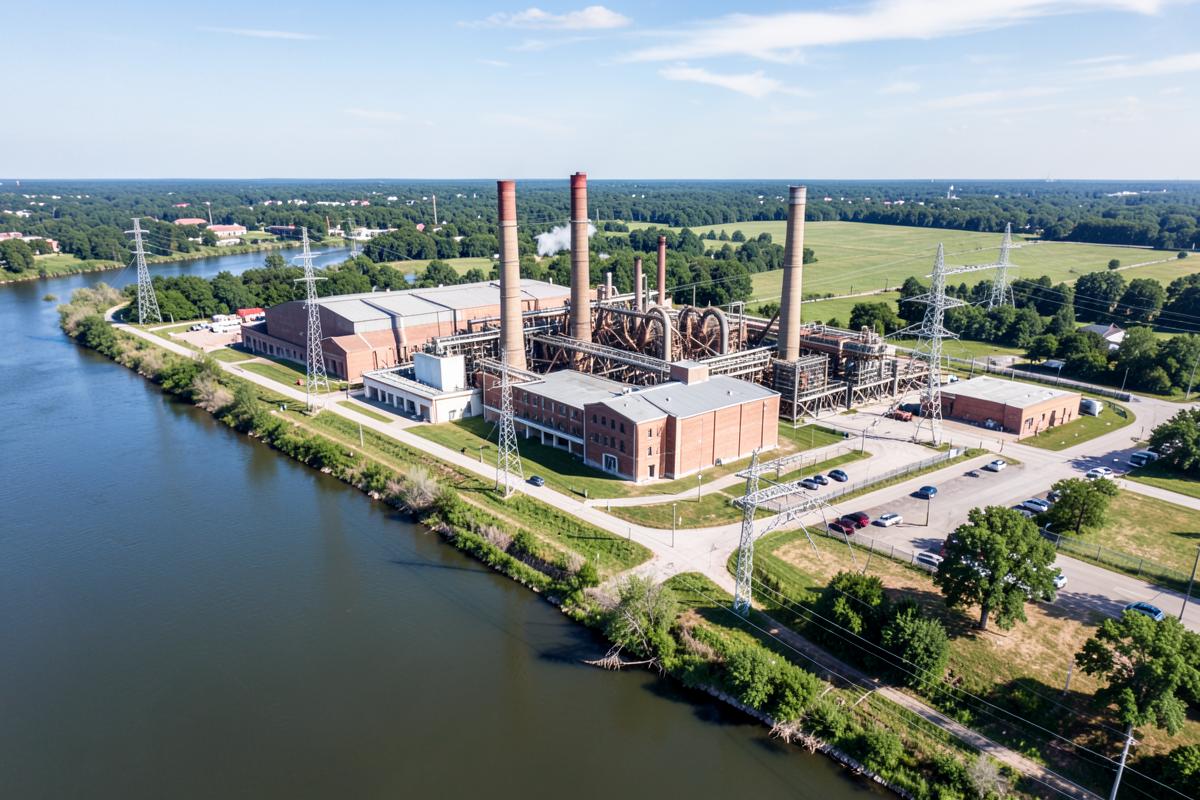
Ore from Libby was shipped to processing plants around the United States, where it was expanded and sold. One widely known product was Zonolite attic insulation, which was poured into many homes. Vermiculite also appeared in garden products, some fireproofing and other materials. Workers at processing plants and people living near them could be exposed. Homeowners and contractors who handled loose attic insulation might have disturbed contaminated material. Not all vermiculite came from Libby, but much of the U.S. supply did for many years. Former processing plant locations have been studied by federal health agencies. Some have been cleaned up.
If you have vermiculite insulation
Vermiculite attic insulation looks like small, lightweight pebbles that are gray-brown or silver-gold. The EPA advises homeowners to assume it may contain asbestos and avoid disturbing it. Do not store items in an attic with this insulation or let children play there. If renovation is planned, hire a trained professional to handle it. Keep in mind that testing loose vermiculite can be unreliable, so professional guidance matters. A trust was established to address claims related to Zonolite attic insulation, and it has had its own procedures for homeowners. Keep any paperwork about your home's insulation with your property records.
What to do next
- 1
Leave any vermiculite attic insulation undisturbed until a professional has assessed it.
- 2
Note whether you lived or worked in Libby or near a vermiculite processing plant.
- 3
Record any attic work you did involving loose, pebble-like insulation.
- 4
Ask about screening programs if you have a history of Libby-related exposure.
Questions
Common questions
Keep reading
Related resources
Find out in minutes whether a claim is still available
Free, confidential case review for patients and families in all 50 states.