St. Louis, MO
Mesothelioma and asbestos exposure in St. Louis
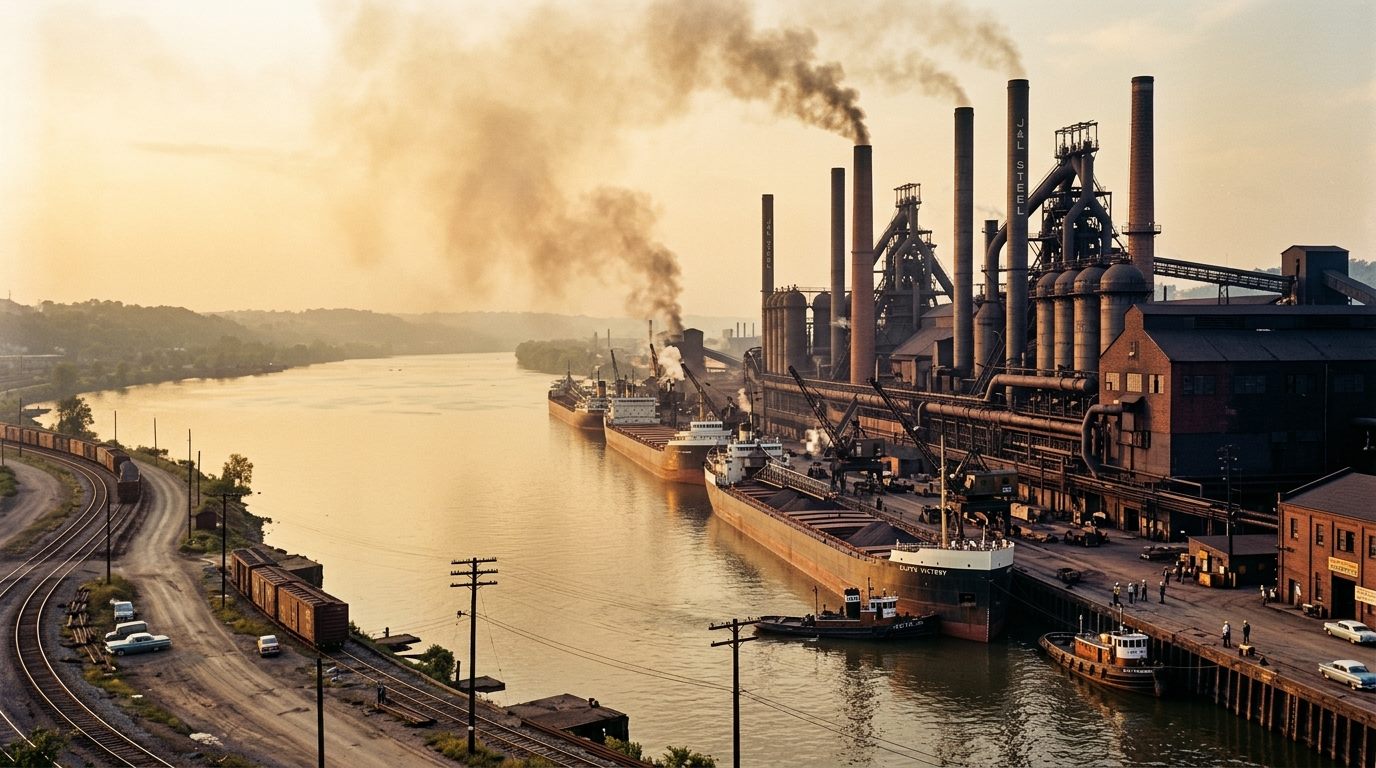
The St. Louis region includes power plants, rail yards and factories in Missouri, plus steel and refining just across the Mississippi in Illinois. Asbestos was common throughout this industrial belt, and the area has long been an important place for asbestos litigation.
- Filing deadline
- 5 years from diagnosis
- Main asbestos court
- St. Louis City Circuit Court
How asbestos reached St. Louis workplaces
St. Louis grew as a manufacturing and transportation center. Coal-fired power plants serving the region used asbestos insulation on boilers, turbines and steam lines, and rail shops used asbestos in locomotive insulation and brake parts. Factories making shoes, chemicals, aircraft and auto parts had their own boilers and steam systems wrapped in asbestos, which maintenance crews repaired over and over. Workers at these plants often spent years around the same boilers, and outages brought large maintenance crews into power stations for weeks at a time. Building engineers and custodians in older downtown offices, hospitals and schools could also encounter asbestos insulation during routine repairs.
Across the river in Illinois, Granite City's steel mill and the Wood River refinery employed many workers who lived in the St. Louis area. Both relied on asbestos insulation, gaskets and protective equipment. Because the region spans two states, a St. Louis family's exposure history may involve plants in Missouri and Illinois. That can matter when deciding where a case is filed. Union halls in the metro area dispatched pipefitters, insulators and boilermakers to jobs on both sides of the river. As a result, one career might include power plants in Missouri and a refinery or steel mill in Illinois, each involving different asbestos products and companies.
Trades most exposed locally
Exposure sites
Where St. Louis workers encountered asbestos
Historic workplaces most often named in local exposure histories.
Granite City steel mill
Steel millGranite City, Illinois
A large steel mill across the river from St. Louis. Furnaces and mill equipment used asbestos insulation and linings, exposing steelworkers and contractors. Many workers commuted from Missouri.
Wood River refinery
Oil refineryRoxana, Illinois
A long-running refinery whose process units and piping were historically insulated with asbestos, exposing operators and maintenance crews. Many contractors from the St. Louis area worked turnarounds there.
Meramec and Labadie power plants
Power stationsSt. Louis County and Franklin County
Coal-fired generating stations serving the region. Boilers and turbines were insulated with asbestos that was disturbed during outages. Contractors from local union halls did much of that work.
Filing a claim
Bringing a claim from St. Louis
St. Louis City Circuit Court has handled many asbestos cases, and Madison and St. Clair counties in Illinois are also well known for asbestos litigation. Because the region crosses state lines, where you worked and lived can affect where a case is filed and which state's deadlines apply. A free case review can help sort out the options. Your residence history can matter too.
Personal injury
5yr
from diagnosis in Missouri
Wrongful death
3yr
from the date of death
Our review window
5yr
diagnosis window we accept
Treatment
Specialist care near St. Louis
Mesothelioma is rare, so a pathology review and treatment plan from an experienced center matters. Ask your oncologist about referral.
Siteman Cancer Center
A comprehensive cancer center at Barnes-Jewish Hospital and Washington University offering thoracic surgery, oncology and clinical trials.
SSM Health Saint Louis University Hospital
An academic hospital in the city with cancer surgery and oncology services. It is part of a regional health system.
Further reading
Explainers for St. Louis families
Short guides matched to the local industries and the claim process.
Questions
St. Louis mesothelioma FAQs
Keep reading
More for Missouri families
Check a St. Louis case today
Free, confidential case review for patients and families in all 50 states.