At work
Chemical Operators
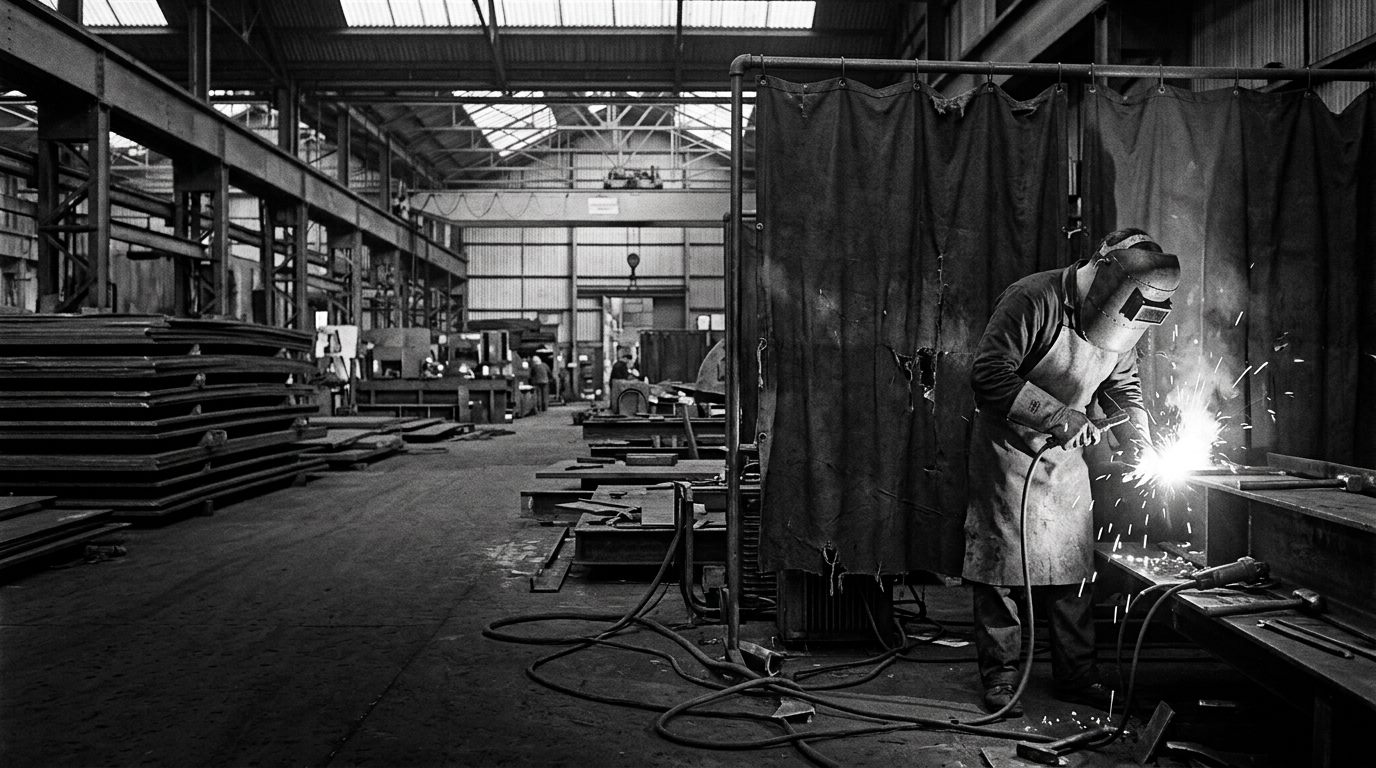
Operators worked beside insulated reactors and asbestos-sealed pumps and valves
- Topic
- Occupational risk
- Reading time
- 3 min
Chemical operators ran process units, watching gauges, adjusting valves and responding to problems around the clock. Their daily rounds took them past insulated reactors, vessels and piping, and many operators did hands-on maintenance as well. Over long careers, routine gasket changes, small repairs and outage work could add up to significant exposure that operators rarely thought about at the time.
Routine work around insulated units
Operators spent their shifts walking units, checking equipment and making adjustments. Much of that equipment was insulated, and insulation could break down from heat, vibration, steam leaks and weather. Operators sometimes opened insulation to check for leaks or to reach a valve that needed attention. They also worked nearby when maintenance crews repaired equipment. If you were an operator, describe your unit, your usual rounds, how often insulation was damaged or removed around you, and whether cleanup of broken insulation was part of your job. Operators on older units often saw the most damaged insulation.
Gasket changes and small repairs
Many operators handled minor maintenance themselves, such as changing gaskets on flanges or replacing packing on valves and pumps. In earlier decades, these sealing materials often contained asbestos. Scraping old gaskets from flanges and cutting new ones could release dust directly into the breathing zone. These tasks were so routine that many operators don't think of them as exposure at all. Include them in your history, with an estimate of how often you did them during each period of your career and which equipment they involved. Maintenance logs or permits sometimes show who did this work on each unit.
Long tenures and available records
Chemical operators often worked at the same plant for many years, sometimes their entire careers. Long tenures mean employer records are more likely to exist, including job titles, unit assignments and dates. Retirement, pension and training records can help fill in details. Coworkers from the same units may remember conditions, materials and major repair jobs. Together, these sources can create a clear picture of where and when you were exposed, which makes it easier to identify the manufacturers of the products involved. Plant newsletters, service awards and photos can also help confirm your years on each unit.
What to do next
- 1
Request employment records showing the units you worked on and your job titles over time.
- 2
Estimate how often you changed gaskets or valve packing yourself during each period.
- 3
Describe unit outages and the maintenance or insulation work done around you.
- 4
Keep your diagnosis paperwork together with your employment and retirement documents.
Questions
Common questions
Keep reading
Related resources
Find out in minutes whether a claim is still available
Free, confidential case review for patients and families in all 50 states.