Quincy, MA
Mesothelioma and asbestos exposure in Quincy
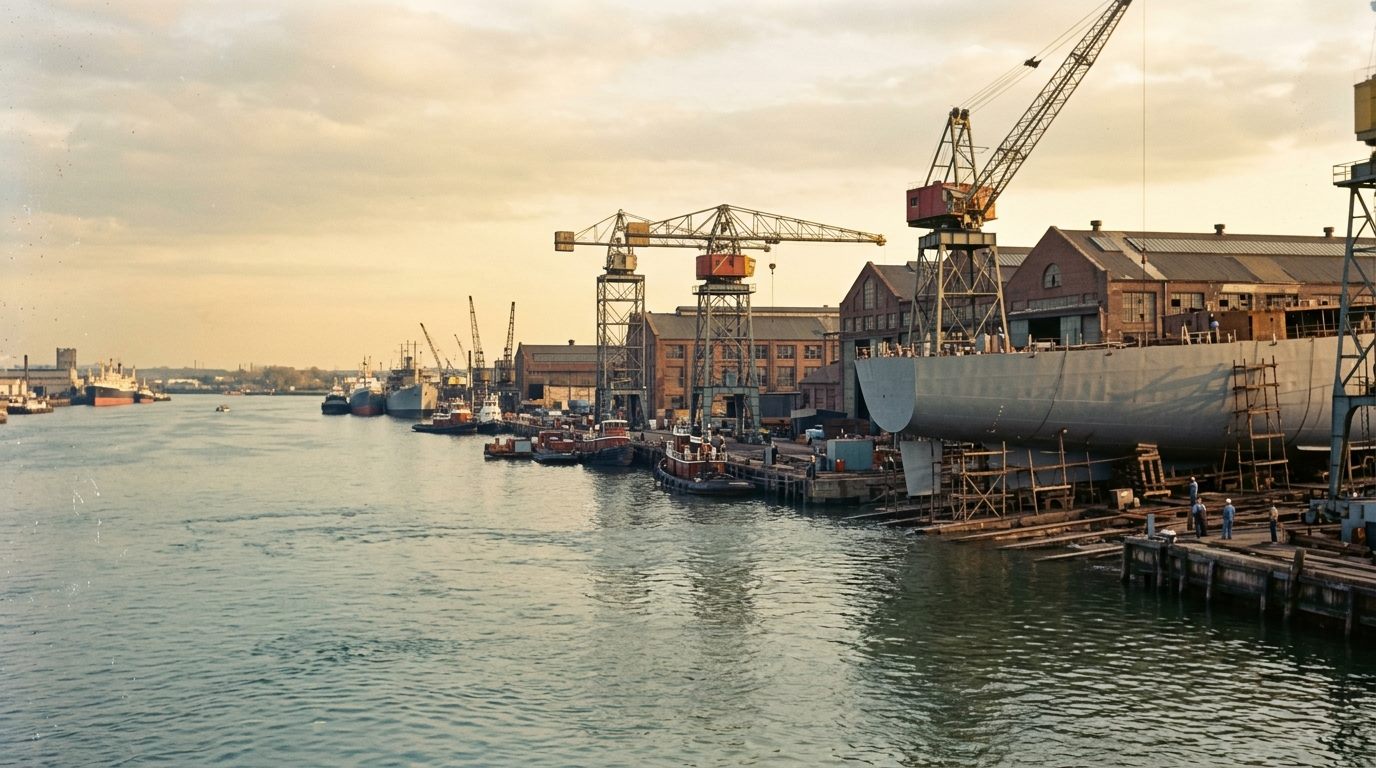
Quincy is best known for the Fore River Shipyard, where generations of workers built warships, tankers and commercial vessels. Shipbuilding brought asbestos insulation into nearly every phase of construction, and many South Shore families trace a mesothelioma diagnosis back to years spent at the yard or to a relative who worked there.
- Filing deadline
- 3 years from diagnosis
- Main asbestos court
- Massachusetts Superior Court, Middlesex County
How asbestos reached Quincy workplaces
The Fore River Shipyard on the Weymouth Fore River was one of the country's major shipbuilders for most of the twentieth century, operating under Bethlehem Steel and later General Dynamics. During the Second World War and the decades after, thousands of workers built destroyers, cruisers, aircraft carriers and large merchant ships there. Each vessel needed extensive steam and exhaust piping, boilers and bulkhead insulation, and asbestos was the standard material for heat and fire protection. Insulators cut block and pipe covering to size, wrapped joints in asbestos cloth and mixed insulating cement by hand, and the dust drifted through the compartments where everyone else was working.
Because ships were built in confined, busy spaces, trades overlapped constantly. Welders, shipfitters and electricians worked beside insulators who were sawing and mixing asbestos products, so dust spread well beyond the people handling it. Riggers and laborers who swept up at the end of a shift breathed it too. The shipyard closed in the 1980s, but the latency of mesothelioma means diagnoses among former workers continue to appear. So do diagnoses among spouses and children who were exposed to dust on work clothes, which is why household exposure is a familiar part of Quincy's asbestos story and a common basis for claims.
Trades most exposed locally
- Shipfitters
- Welders
- Pipe coverers and insulators
- Marine electricians
- Machinists
- Riggers and laborers
Exposure sites
Where Quincy workers encountered asbestos
Historic workplaces most often named in local exposure histories.
Fore River Shipyard
Commercial and naval shipyardQuincy Point
Built naval and merchant ships for decades under Bethlehem Steel and General Dynamics. Insulating boilers, steam lines and bulkheads with asbestos products exposed a broad range of shipbuilding trades.
Charlestown Navy Yard
Naval shipyardBoston
Many Quincy residents also worked at the Boston Navy Yard or served on ships repaired there, where asbestos insulation was used throughout ship propulsion and piping systems.
Filing a claim
Bringing a claim from Quincy
Claims from Quincy and the South Shore are generally filed in the Massachusetts Superior Court, where Middlesex County has historically handled much of the asbestos docket. Fore River work histories often involve many product manufacturers, so a thorough claim may include both a lawsuit and filings with several asbestos bankruptcy trusts. Former employees' Social Security earnings records help confirm the years spent at the yard, and union records can show which trade a worker held and when.
Personal injury
3yr
from diagnosis in Massachusetts
Wrongful death
3yr
from the date of death
Our review window
3yr
diagnosis window we accept
Treatment
Specialist care near Quincy
Mesothelioma is rare, so a pathology review and treatment plan from an experienced center matters. Ask your oncologist about referral.
Brigham and Women's Hospital and Dana-Farber Cancer Institute
Boston-based center with a dedicated mesothelioma program, a short drive from Quincy, offering surgery, oncology and clinical trials.
Beth Israel Deaconess Medical Center
Boston academic medical center with thoracic surgery, medical oncology and pulmonary specialists for chest conditions.
Further reading
Explainers for Quincy families
Short guides matched to the local industries and the claim process.
Questions
Quincy mesothelioma FAQs
Keep reading
More for Massachusetts families
Check a Quincy case today
Free, confidential case review for patients and families in all 50 states.