At work
Textile Mill Workers
Asbestos textile plants spun raw fiber into cloth, creating extreme exposure
- Topic
- Occupational risk
- Reading time
- 3 min
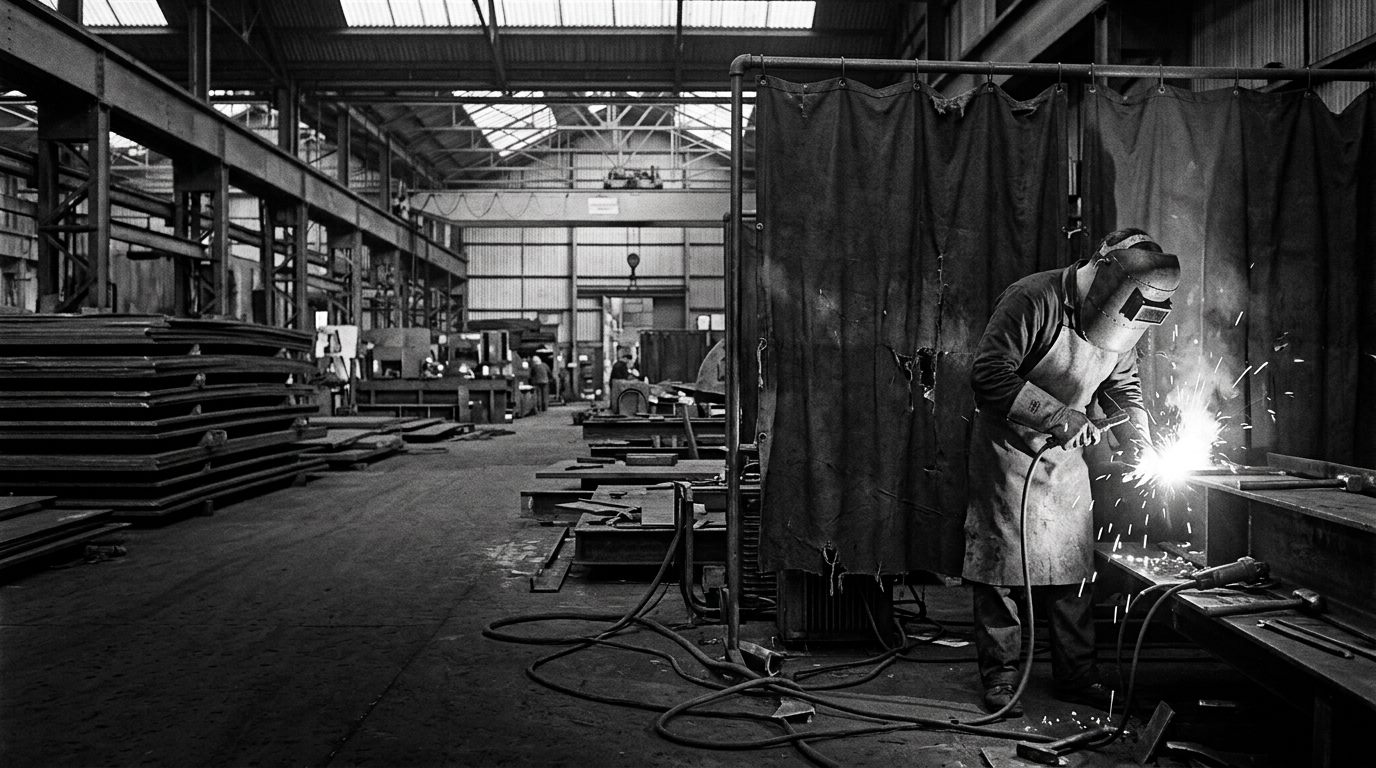
Some textile mills processed raw asbestos into yarn, cloth, tape and rope. Opening bales, carding and spinning the fiber created extremely dusty conditions. Workers in these plants could be heavily exposed, and because mills were often the center of their towns, family members and neighbors were sometimes affected too, even if they never set foot inside.
How asbestos textiles were made
Asbestos textile production followed steps similar to cotton or wool processing. Raw fiber was opened from bales, blended, carded into loose strands, then spun into yarn and woven into cloth or braided into rope. Each step handled loose fiber and released dust into the air. Carding rooms were often among the dustiest areas of the plant. Workers also cleaned machines, changed bobbins and swept floors covered in fiber. If you worked in such a mill, describe your department, your tasks and how dusty the rooms were during a normal shift.
Communities around the mills
Mill towns often grew up around a single plant. Workers lived nearby, and dust could travel home on clothing, hair and lunch pails. Family members who washed work clothes or shared the household may have been exposed as a result. In some communities, dust from the plant itself may have reached nearby homes and yards. If you grew up in a mill town or lived with a mill worker, include that history when your case is reviewed. It may support a claim even if you never worked in the mill yourself.
Documented plant histories
Many asbestos textile plants have been studied and discussed in litigation over the years, and information about their operations and products may already exist. That existing record can help support a new claim. You'll still need to show when you or your family member worked at the plant and in what role. Employment records, pension documents, photos and coworker statements can all help. List the mill's name, its location, the owner at the time and your years there, along with the departments where you worked. Local libraries and historical societies sometimes hold mill photos and records.
What to do next
- 1
Write down the mill's name, location, your department and the years you were employed.
- 2
Describe the processing steps you worked on, such as opening bales, carding or spinning.
- 3
List the family members who lived with you during the years you worked at the mill.
- 4
Gather pension, payroll or photo records that confirm your employment at the mill.
Questions
Common questions
Keep reading
Related resources
Find out in minutes whether a claim is still available
Free, confidential case review for patients and families in all 50 states.