Legal
Preserving Testimony Early
Recording a patient's testimony early protects the case if health declines
- Topic
- Legal claims & lawsuits
- Reading time
- 3 min
Mesothelioma can progress quickly, and a patient's own testimony is often the most powerful evidence in a claim. A preservation deposition records that testimony early, while the patient feels able to give it. If health later declines, the recording can still be used, protecting the case for the patient and for the family.
What a preservation deposition is
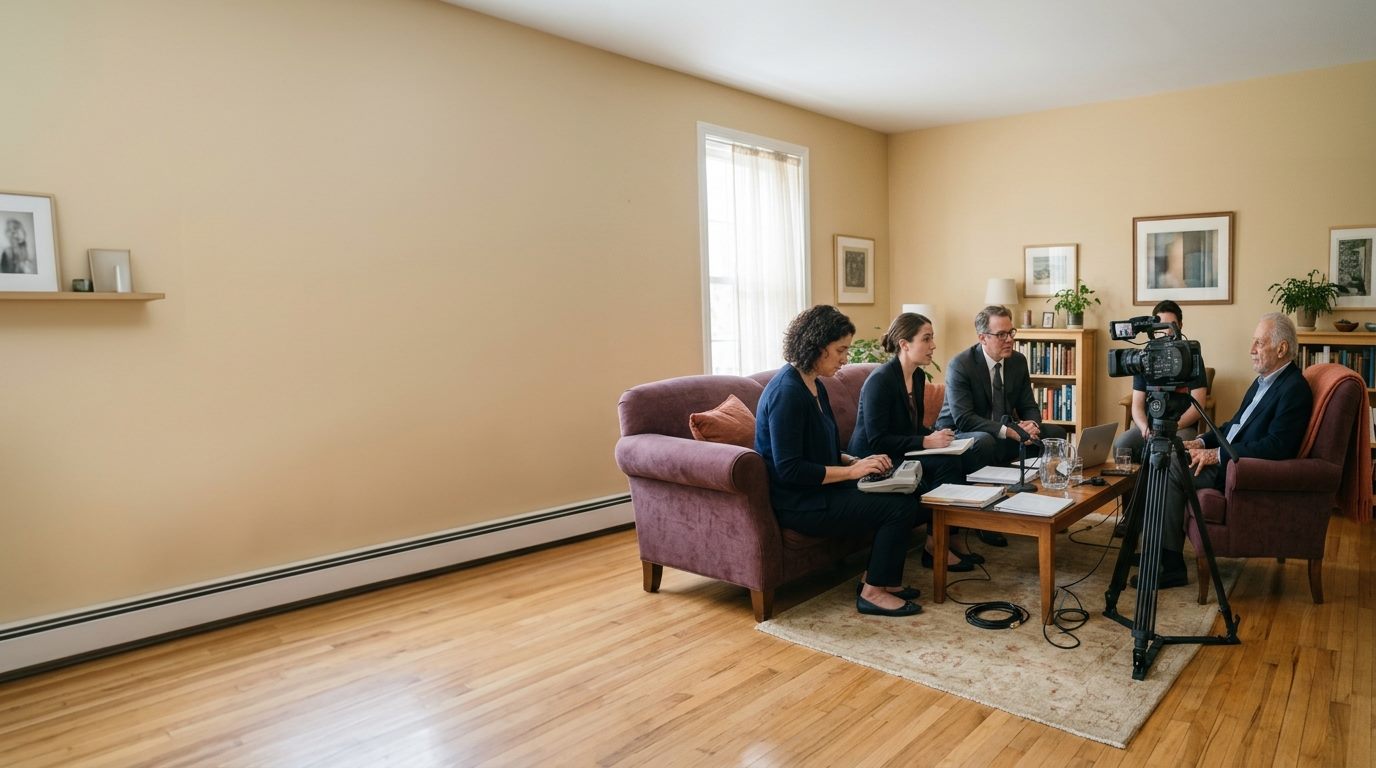
A preservation deposition, sometimes called a de bene esse deposition, is testimony recorded for use at trial if the witness can't appear later. It's usually video recorded so a jury can see and hear the patient directly. It covers the same ground as other depositions: work history, exposures, products, health and family life. Defense attorneys attend and ask their own questions. Because the recording may be shown at trial, attorneys prepare carefully and try to make the testimony clear and complete. Your attorney will explain how it differs from a discovery deposition and what to expect on the day.
Scheduling around treatment
Courts and attorneys often try to schedule preservation depositions quickly when a patient is seriously ill. Sessions can be arranged at home, near a treatment center or at another comfortable location. Timing can be planned around chemotherapy, surgery recovery or other care. If the patient tires, the session can pause. Families can help by sharing the treatment calendar and telling the legal team which times of day the patient usually feels strongest, so the recording captures the patient at their best. Medical staff can sometimes advise on the best timing, and a caregiver can stay close by to help with medication, water and rest during the session.
Why it matters for the family later
If the patient passes away before the case is resolved, the recorded testimony remains part of the evidence. That can be especially important in wrongful death and survival claims, where family members might otherwise have to rely on secondhand accounts of work history. The recording lets the patient describe their own experience in their own words. Many families find some comfort in knowing that their loved one's account has been preserved, whatever happens with their health. Some families also keep a copy of the recording as a personal record of their loved one, where the rules and the attorneys allow it, which can mean a great deal later.
What to do next
- 1
Share your treatment schedule with your legal team so testimony can be timed well.
- 2
Tell your attorney which times of day you usually have the most energy.
- 3
Choose a quiet, comfortable location, such as your home, for the recording.
- 4
Ask a family member to help gather photos and records that refresh your memory.
Questions
Common questions
Keep reading
Related resources
Find out in minutes whether a claim is still available
Free, confidential case review for patients and families in all 50 states.