Legal
Do You Have to Go to Court
Most claimants never see a courtroom; testimony is usually given by deposition
- Topic
- Legal claims & lawsuits
- Reading time
- 3 min
Many people worry about sitting in a courtroom while they're sick. In most mesothelioma cases, that doesn't happen. Testimony is usually given through a deposition, which can often be taken at home or by video, and most cases resolve before trial. Knowing what's likely to be asked of you can ease a lot of that worry.
Depositions instead of courtroom testimony
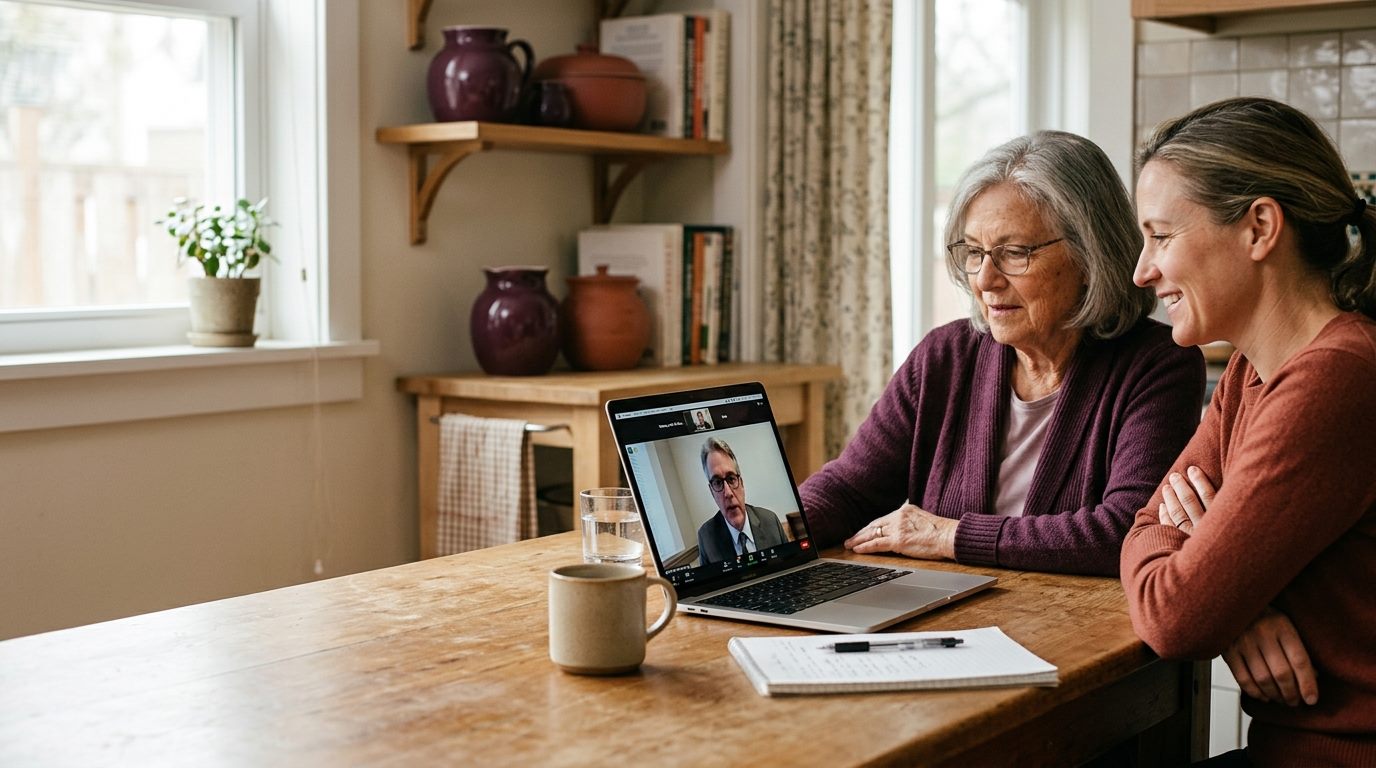
A deposition is formal testimony given under oath, but it doesn't happen in a courtroom. It's usually held in a conference room, a hotel meeting room or even the patient's home. Attorneys for both sides ask questions, and a court reporter records the answers. It is often video recorded too. Your attorney will prepare you beforehand and sit with you throughout. Breaks can be taken when needed. For many claimants, the deposition is the only formal testimony they ever give, and the recording can be used later if needed. Many families say it felt calmer than they feared.
Why most cases settle
Trials are expensive and unpredictable for everyone involved. Many defendants choose to settle once the evidence is clear, especially after key testimony has been recorded. Settlements often happen one defendant at a time, sometimes shortly before a trial date. Settling doesn't require the claimant to appear in court. You'll usually be asked to review and sign settlement documents, and your attorney will explain the terms. The decision to accept or reject any settlement offer is yours, made with the advice of your legal team. You can ask how each settlement affects the rest of the case before you decide whether to accept it.
If a case does go to trial
Some cases do reach trial, usually when defendants won't agree to fair terms. Even then, a seriously ill claimant may not need to attend in person. Recorded deposition testimony can often be played for the jury. Family members may testify about the patient's life and illness. Your attorneys will explain what participation, if any, is expected and how it can be arranged around health needs. Trials can be stressful, but careful preparation and clear communication with your legal team help families know what to expect each day. Ask early how family members might be asked to help.
What to do next
- 1
Tell your attorney about any health limits that affect travel or long sessions.
- 2
Ask whether your deposition can be taken at home or by video.
- 3
Request a practice session so you know the kinds of questions to expect.
- 4
Have a family member keep a list of settlement documents you've reviewed and signed.
Questions
Common questions
Keep reading
Related resources
Find out in minutes whether a claim is still available
Free, confidential case review for patients and families in all 50 states.