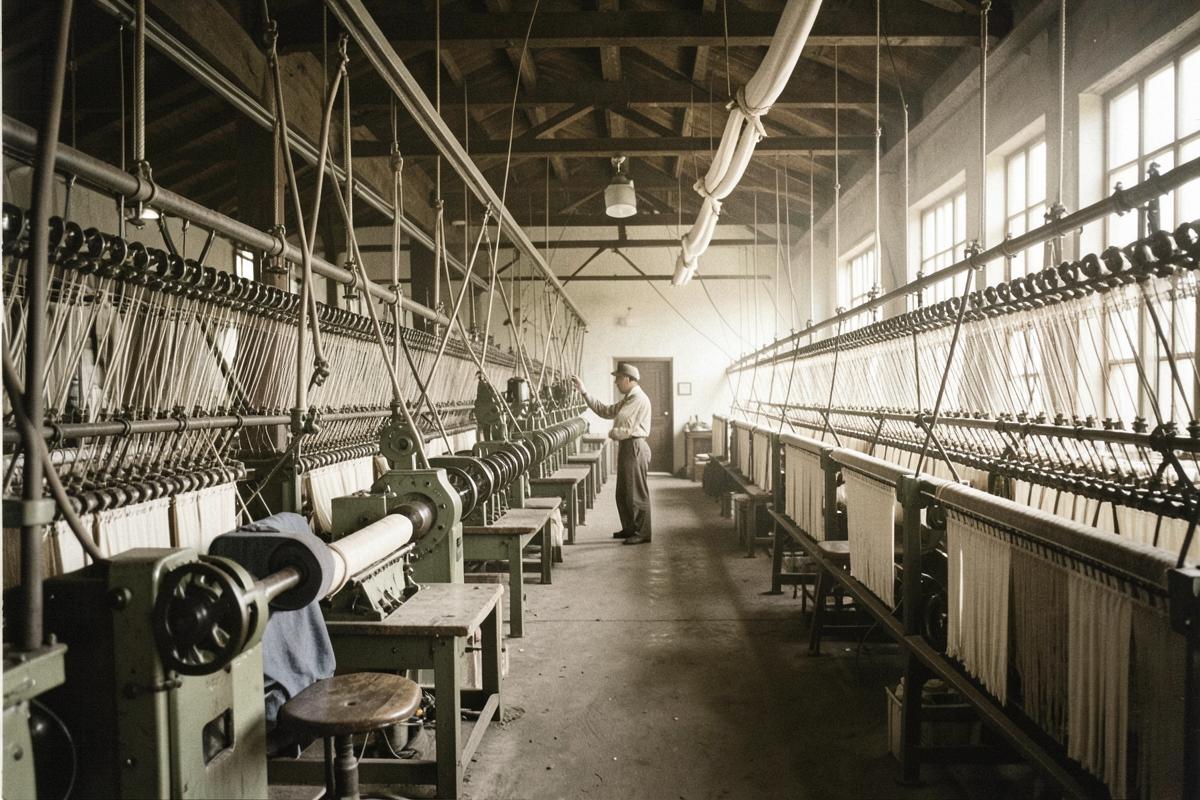
At work
Paper Mill Workers
Dryers, boilers and steam lines in paper mills were heavily insulated with asbestos
- Topic
- Occupational risk
- Reading time
- 3 min
Paper mills used enormous amounts of steam to dry paper and power equipment. Dryers, boilers and steam lines were heavily insulated, and some mills used other asbestos-containing products as well. Maintenance crews often had the greatest exposure, working in hot, humid conditions around aging insulation that needed constant repair throughout the life of the mill.
Dryers, boilers and steam systems
Paper machines relied on long rows of steam-heated dryer cans, and the steam came from boilers through long runs of insulated pipe. Insulation on these systems wore down in the heat and humidity and needed regular repair or replacement. Some mills also used dryer felts and other products that may have contained asbestos in earlier decades. Workers near these systems could be exposed through daily operations, felt changes and repair work. Describe the machines and areas where you worked most, and the tasks you did around the dryer section. Machine numbers or grades of paper can help too.
Why maintenance crews were most exposed
Maintenance workers repaired steam lines, replaced insulation and serviced boilers, pumps and dryers. During shutdowns, they worked alongside contractors tearing out old insulation across the mill. The hot, humid mill environment could make dust stick to skin and clothing for the whole shift. Maintenance crews often worked in every part of the mill, adding exposure from multiple areas. If you did maintenance, list your trade, the equipment you serviced, how often shutdowns occurred and what work was done during them. Notes about which contractors came in during shutdowns can also point to specific products used at the mill.
Mill-specific products and regional clusters
Paper mills tended to be concentrated in certain regions, and many have been involved in past asbestos claims. That history can help identify the products used at a particular mill during a particular period. Your employment records, union records and coworker statements establish when you worked there and what you did. List the mill's name, its owner at the time and its location, along with your departments and years. Ownership changes are common in this industry, so note any you remember. Union contracts, pension statements and mill newsletters can help confirm your departments and dates over time.
What to do next
- 1
List the paper mills where you worked, with your departments and years at each.
- 2
Describe maintenance or shutdown work involving steam lines, boilers or dryer sections.
- 3
Note any mill ownership changes you remember during the years of your employment.
- 4
Collect union, pension or employer records that confirm your mill work history.
Questions
Common questions
Keep reading
Related resources
Find out in minutes whether a claim is still available
Free, confidential case review for patients and families in all 50 states.