Support
Legacy Projects
Recorded messages, letters and photo projects help families and patients alike
- Topic
- Support & caregiving
- Reading time
- 3 min
Legacy projects are ways of sharing stories, values and love with the people you care about. They can be as simple as a recorded voice message or as detailed as a family history book. Many patients find these projects bring comfort and purpose, and families often treasure them for years.
Ideas that fit different energy levels
On days with limited energy, try short activities such as recording a voice memo, labeling old photos or writing a note to a grandchild. With more energy, you might create a photo album, write down favorite recipes, film a story from your working years or plan a memory box with meaningful objects. Some people write letters for future milestones, such as graduations or weddings. Others record family history, including stories about the jobs, ships or plants where they worked. Choose projects that feel meaningful rather than overwhelming.
Getting family involved
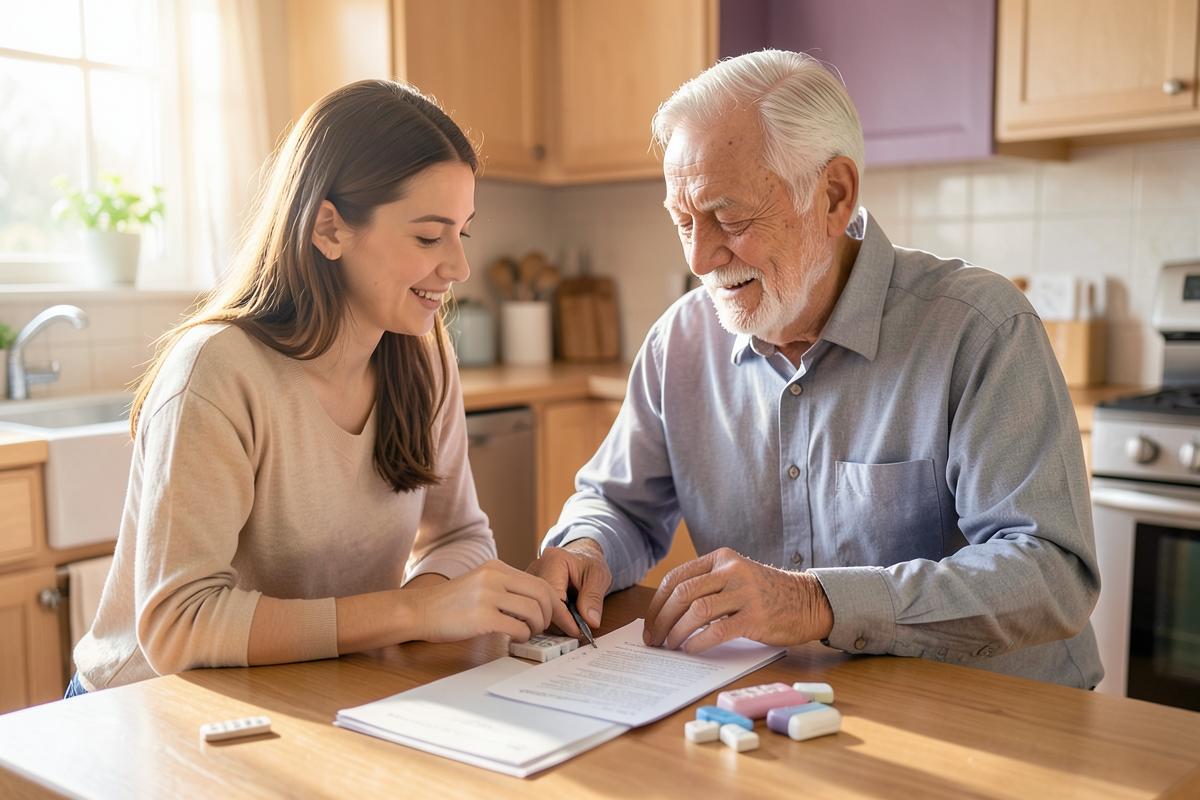
Legacy projects can bring family members together. Grandchildren can interview a grandparent with a phone camera, asking questions about childhood, work and advice for the future. Adult children can help scan photos or type up stories. Working together gives families time to talk and laugh, not just focus on illness. Let the patient guide how much they want to share. Some memories may be painful, and it is fine to skip those or save them for later. Grandparents often enjoy hearing their own stories played back later, which can make the process rewarding for everyone.
Preserving what you create
Store recordings and photos in more than one place, such as a computer, cloud account and a physical drive. Label files with names and dates so they are easy to find. Keep written items in acid-free folders or scan them. Let a family member know where everything is stored and how to access it. Some hospice programs and cancer centers have volunteers who help with legacy projects, including recording sessions or scrapbooking, so ask whether that help is available. Some families also schedule a relaxed recording afternoon that feels more like a visit than a project.
What to do next
- 1
Pick one small legacy project to start this week, such as a short voice recording.
- 2
Invite a grandchild or relative to record an interview using a list of simple questions.
- 3
Save recordings and photos in at least two places and label them clearly.
- 4
Ask your hospice or cancer center whether volunteers help with legacy projects.
Questions
Common questions
Keep reading
Related resources
Find out in minutes whether a claim is still available
Free, confidential case review for patients and families in all 50 states.