Support
Home Setup for Breathlessness
Small changes at home reduce breathlessness and falls
- Topic
- Support & caregiving
- Reading time
- 3 min
Shortness of breath is one of the most common symptoms of pleural mesothelioma, and it can make ordinary tasks like climbing stairs or showering feel exhausting. Thoughtful changes around the house can save energy, reduce the risk of falls and help you stay independent longer. Most adjustments are simple and inexpensive.
Placing rest stops where you need them
Put a sturdy chair at the top and bottom of the stairs, in the hallway and in the bathroom so you can sit whenever you feel winded. A shower chair and a handheld showerhead let you bathe while seated. A stool in the kitchen allows you to prepare food without standing for long periods. If stairs become too tiring, consider moving your bedroom to the main floor for a while. Pace activities through the day and rest before you are completely out of breath, which often helps you recover faster.
Moving air and managing the room
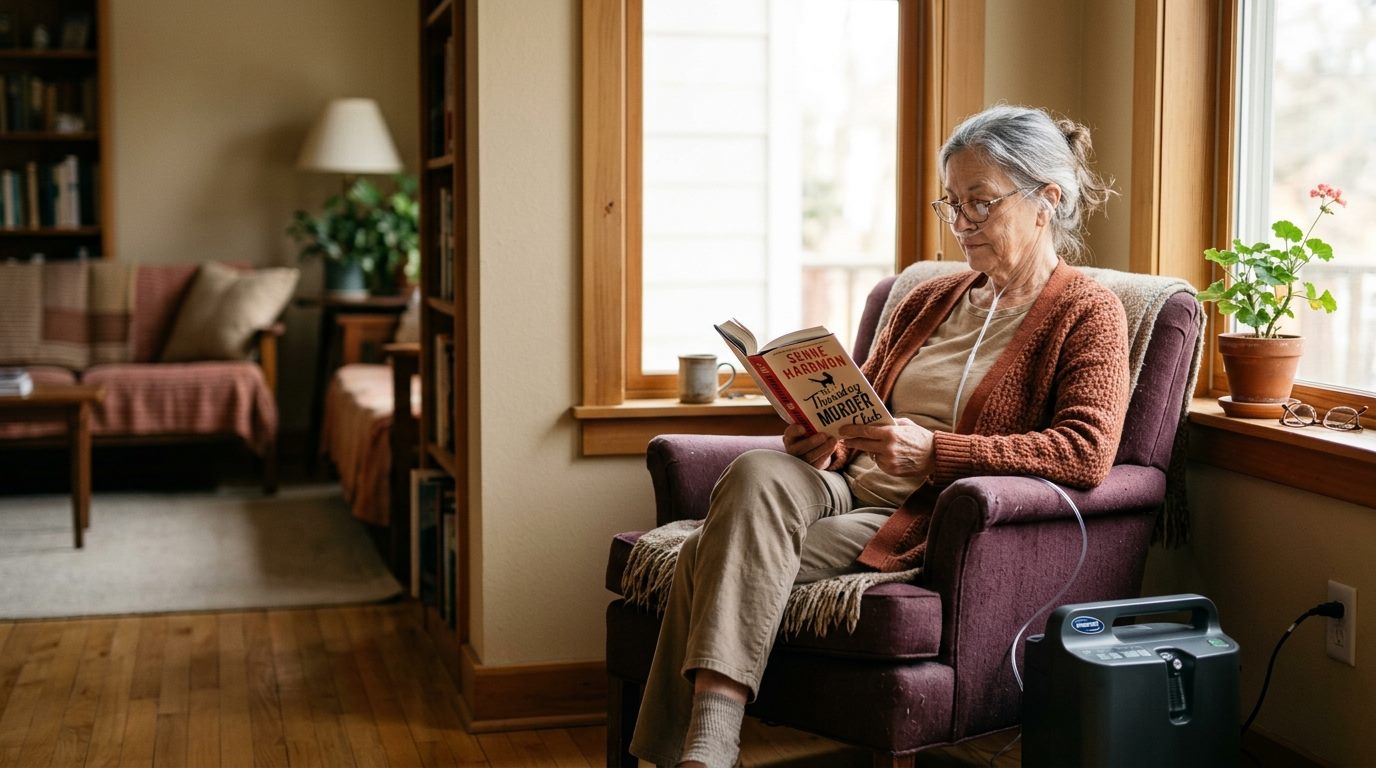
Many people with breathlessness find that a cool breeze across the face helps them feel less short of breath. A small handheld or desk fan aimed toward your face is an easy option to keep nearby. Keep rooms comfortably cool and avoid smoke, strong fragrances and dust, which can irritate breathing. If you use home oxygen, follow the safety guidance from your supplier, including keeping it away from open flames and heat sources. Ask your palliative care team about breathing techniques and positions that may help during an episode.
Reducing reaching, bending and falls
Store everyday items between waist and shoulder height so you do not have to stoop or stretch. Keep a basket with your phone, medications, tissues, water and glasses beside your favorite chair and bed. Remove loose rugs, cords and clutter from walkways, and add night lights along the path to the bathroom. Grab bars near the toilet and shower offer support. An occupational therapist can visit or advise on equipment such as raised toilet seats, reachers and long-handled sponges, and your doctor can often write a referral.
What to do next
- 1
Place sturdy chairs at the top and bottom of stairs and near the shower and sink.
- 2
Keep a small fan by your chair and bed to direct cool air toward your face.
- 3
Clear loose rugs and cords from walkways and add night lights along the bathroom route.
- 4
Ask your doctor for an occupational therapy referral to review your home and recommend equipment.
Questions
Common questions
Keep reading
Related resources
Find out in minutes whether a claim is still available
Free, confidential case review for patients and families in all 50 states.