At work
Carpenters
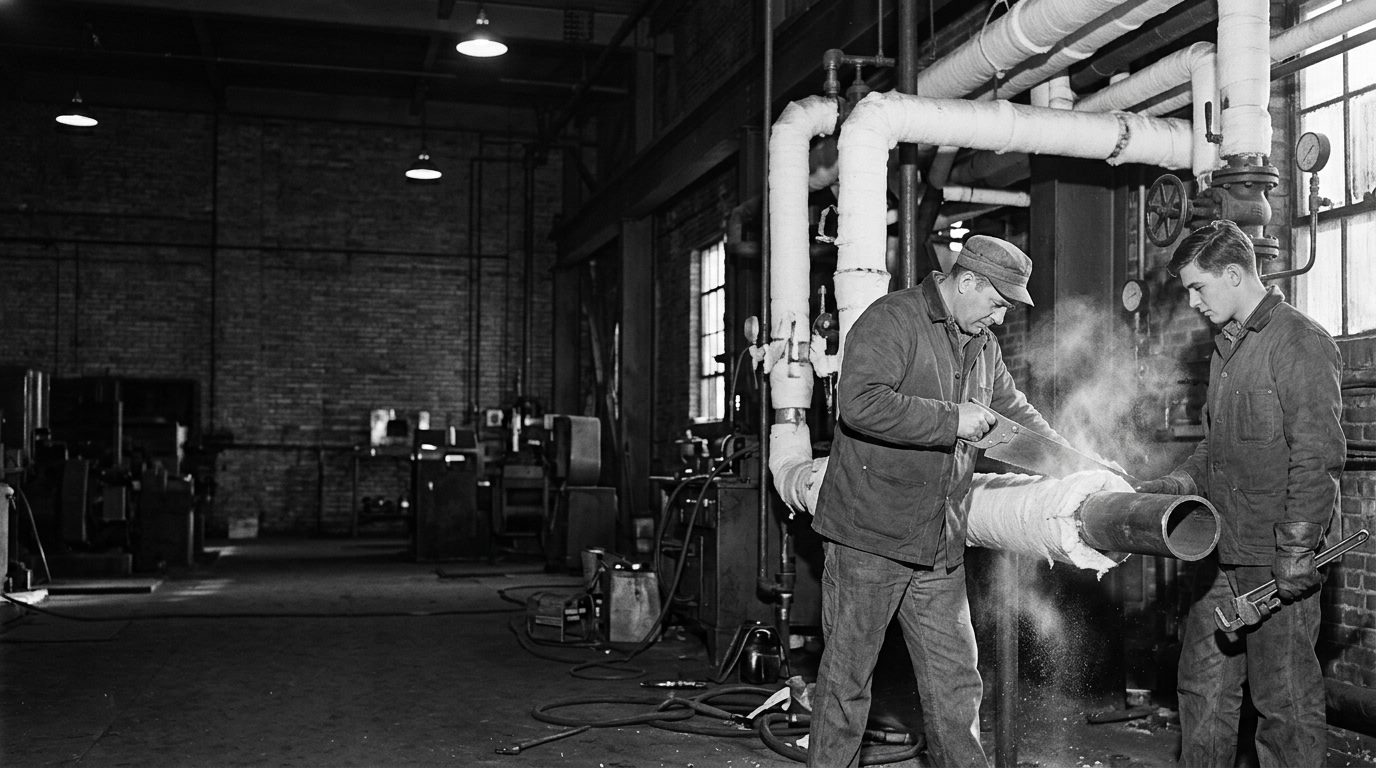
Carpenters cut asbestos board, siding and ceiling tile without protection
- Topic
- Occupational risk
- Reading time
- 3 min
Carpenters shaped and installed building materials, and in earlier decades some of those materials contained asbestos. Cement board, siding, ceiling tiles and certain panels were cut, drilled and sanded right on site. Power tools made the dust worse. Carpenters who worked on remodels faced a second risk: disturbing older materials that had already been in buildings for many years.
Cutting board and panels on site
Many carpenters cut asbestos cement board and panels with circular saws, which threw fine dust into the air around them. Scoring and snapping sheets, drilling fastener holes and sanding edges added more. This work often happened indoors or in partly enclosed spaces, and cleanup usually meant dry sweeping. Few job sites provided respiratory protection in earlier decades. When you describe your work, note which materials you cut most often, what tools you used and whether you worked indoors. Those details help show how much dust you were exposed to and which products may be involved.
Remodeling and older buildings
Renovation work exposed carpenters to materials installed long before they arrived. Tearing out ceiling tiles, removing old siding, opening walls near heating systems or pulling up flooring could all release fibers. Remodeling can make exposure histories harder to trace, because the products were installed by someone else, sometimes decades earlier. It still counts toward your history. List remodeling jobs separately from new construction, and note the approximate age of the buildings and what you removed from them. That helps an investigator narrow down which products were likely present when you did the work.
Residential and commercial work histories
Carpenters often split their careers between homes and larger commercial projects. Commercial sites might involve fireproofing, ceiling systems and other trades working nearby. Residential jobs might involve siding, roofing and interior finishing. Both can matter, and many carpenters did both over the course of a single career. Union records usually cover commercial work better, while residential jobs may need to be pieced together from memory, tax records or former employers and customers. Write down the builders or contractors you worked for, even small ones, because each name can lead to more information about the materials used.
What to do next
- 1
List the materials you cut or sanded most often, such as cement board, siding or ceiling tile.
- 2
Separate your remodeling jobs from new construction when you write out your work history.
- 3
Request union records if you worked on commercial construction projects under a local.
- 4
Write down the names of builders and contractors you worked for, including small outfits.
Questions
Common questions
Keep reading
Related resources
Find out in minutes whether a claim is still available
Free, confidential case review for patients and families in all 50 states.