Exposure
What To Do If You Find Asbestos
Leave intact material alone and get it tested before any renovation
- Topic
- Asbestos exposure & products
- Reading time
- 3 min
Discovering possible asbestos in your home or workplace can be unsettling. The most important first step is often to do nothing to the material itself. Intact asbestos usually poses little immediate risk, and careful next steps, such as testing and professional advice, protect you and your family far better than rushing to remove it.
Immediate steps to reduce risk
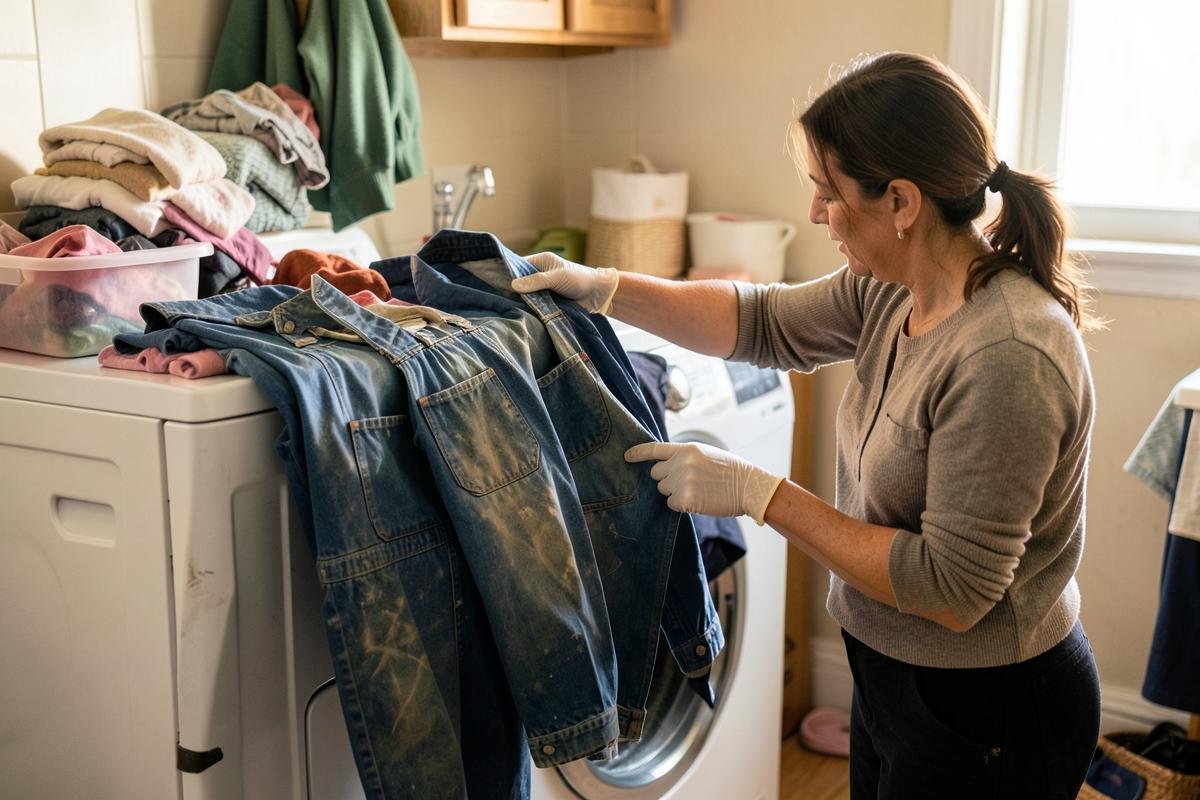
If you suspect a material contains asbestos, stop any work that could disturb it. Do not sweep, vacuum, scrape or sand debris, since these actions can spread fibers. Keep children and pets away from the area. If the material is damaged, close off the room and avoid running fans or heating systems that could move dust through the house. Turning off central air systems that draw air from the area can help. Then arrange for a qualified inspector to assess the situation. Wash hands and change clothes if you were near the material.
Getting the material tested
An accredited asbestos inspector can collect samples safely and send them to a certified laboratory. Results usually identify whether asbestos is present and, if so, what type and percentage. Some people collect samples themselves, but this carries risk and should only be done following strict guidance from local authorities. Testing costs vary but are often modest compared with the cost of a mistake. Keep the laboratory report, since contractors and future buyers may ask for it. If the lab report is unclear, ask the inspector to explain it. Some materials need more than one sample to reach a clear result.
Choosing what happens next
If testing confirms asbestos, options include leaving it undisturbed, repairing minor damage, encapsulating it with a sealant, enclosing it behind a barrier, or removing it. The best choice depends on the material's condition and your plans for the space. Removal is usually recommended before renovation that would disturb the material. Hire licensed professionals for any removal or significant repair, and check state and local rules, which may require permits or notifications. Get more than one quote, and ask each contractor how they will contain the work area and who will do clearance testing. Keep all records of the work.
What to do next
- 1
Stop work immediately and keep people away from damaged suspect material.
- 2
Turn off fans or HVAC systems that could spread dust from the area.
- 3
Hire an accredited inspector to sample the material safely.
- 4
Get quotes from licensed abatement contractors if removal is recommended.
Questions
Common questions
Keep reading
Related resources
Find out in minutes whether a claim is still available
Free, confidential case review for patients and families in all 50 states.