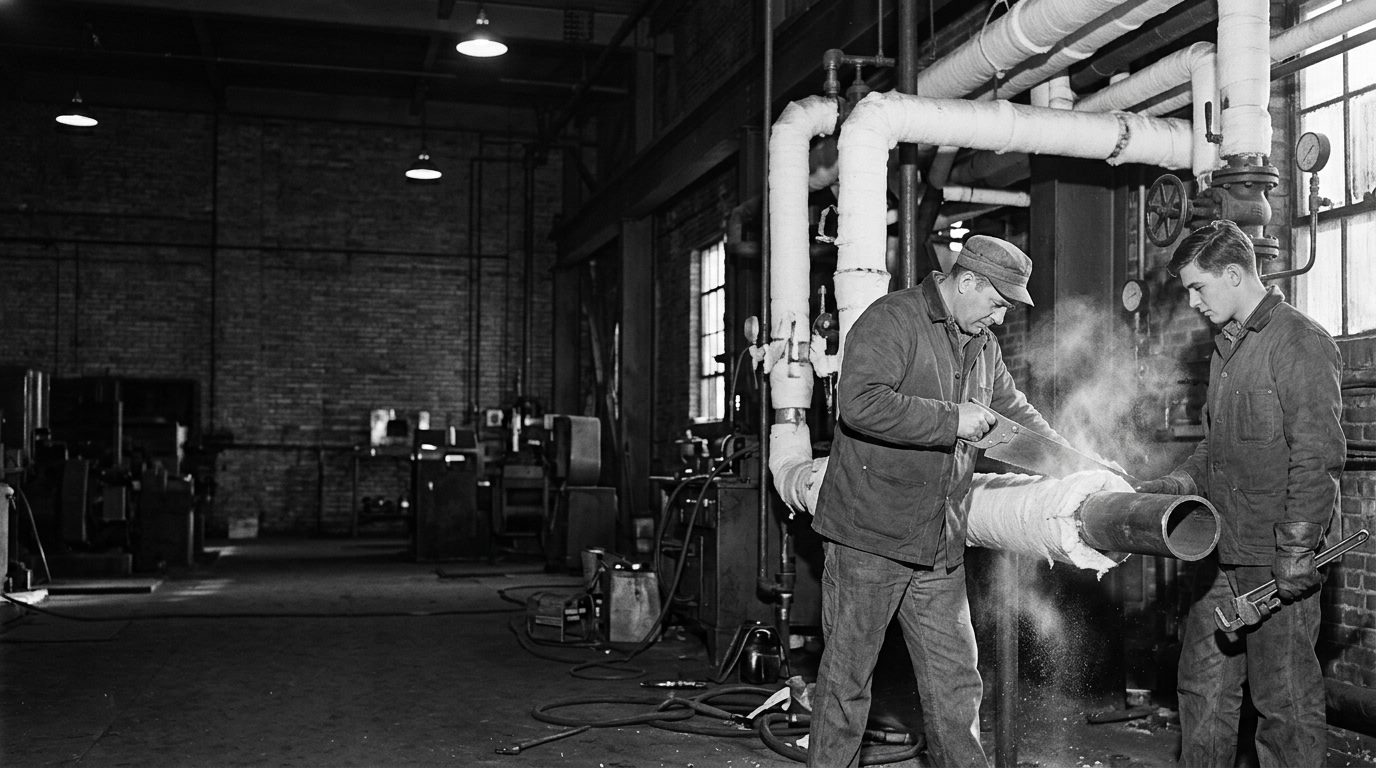
At work
Union Records as Evidence
Union membership, dispatch and pension records can reconstruct decades of job sites
- Topic
- Occupational risk
- Reading time
- 3 min
For many tradespeople, union records are the most complete record of where they worked. Hiring hall dispatch logs, membership files and pension or welfare fund records can show employers, job sites and dates across an entire career. When memories fade or former employers have disappeared, these documents can fill the gaps and help support a mesothelioma claim.
What records a local may keep
Union locals often kept records of when members were dispatched and to which contractor. Membership files may show when you joined, your classification and any transfers between locals. Apprenticeship programs kept their own records of training and job assignments. Some locals also kept lists of major projects in their area or records of members who traveled to other locals for work. The type and completeness of records varies widely, so it's worth asking exactly what exists rather than assuming nothing survived from earlier decades. Retired officers of the local sometimes know where older files ended up.
Pension credits as a job map
Pension and welfare funds typically track the hours contributed by each employer on a member's behalf. Those contribution records can show which contractors you worked for and roughly when, even if dispatch logs are missing or incomplete. Because pension benefits depend on these records, they are often kept carefully for many years. Requesting a history of your contributions can reveal employers you'd long forgotten. Combined with your Social Security earnings statement, this can create a detailed, dated employment timeline that supports your claim. Ask the fund whether it can send the history by year and employer name.
Turning records into evidence
Records alone show where you worked, not what you were exposed to. That link comes from coworkers who remember the materials used, from existing information about specific job sites, and from your own descriptions of the work. Union brothers and sisters are often the best witnesses because they shared the same jobs and conditions. Asking early matters, since records can take time to retrieve and witnesses may be harder to reach later. Keep a list of names and phone numbers as you think of them. Retiree clubs and union newsletters can help you reconnect with former coworkers.
What to do next
- 1
Call your local and ask what dispatch, membership and apprenticeship records still exist.
- 2
Request your pension or welfare fund contribution history broken down by employer.
- 3
Make a list of union members who worked the same jobs and can describe the conditions.
- 4
Keep copies of all records together with your own notes about each job site.
Questions
Common questions
Keep reading
Related resources
Find out in minutes whether a claim is still available
Free, confidential case review for patients and families in all 50 states.