Treatment
Surgery Recovery Timeline
Recovery from lung-sparing surgery typically takes six to eight weeks with gradual return to activity
- Topic
- Treatment & clinical care
- Reading time
- 3 min
Recovering from mesothelioma surgery takes patience. The first days focus on breathing, pain control and getting out of bed. The following weeks are about rebuilding strength at home. Knowing the usual milestones helps you and your family plan practical support and recognize when recovery is on track or when something needs attention.
The first days in hospital
After surgery, you may spend time in an intensive care or step-down unit. Chest tubes drain air and fluid and are removed once drainage slows and air leaks stop, which can take several days or longer. Pain is managed with a combination of medicines, sometimes including an epidural or nerve block. Nurses will encourage breathing exercises with a device called an incentive spirometer and walking as early as possible, often the day after surgery. These steps lower the risk of pneumonia and blood clots, which are important complications to prevent.
The first weeks at home
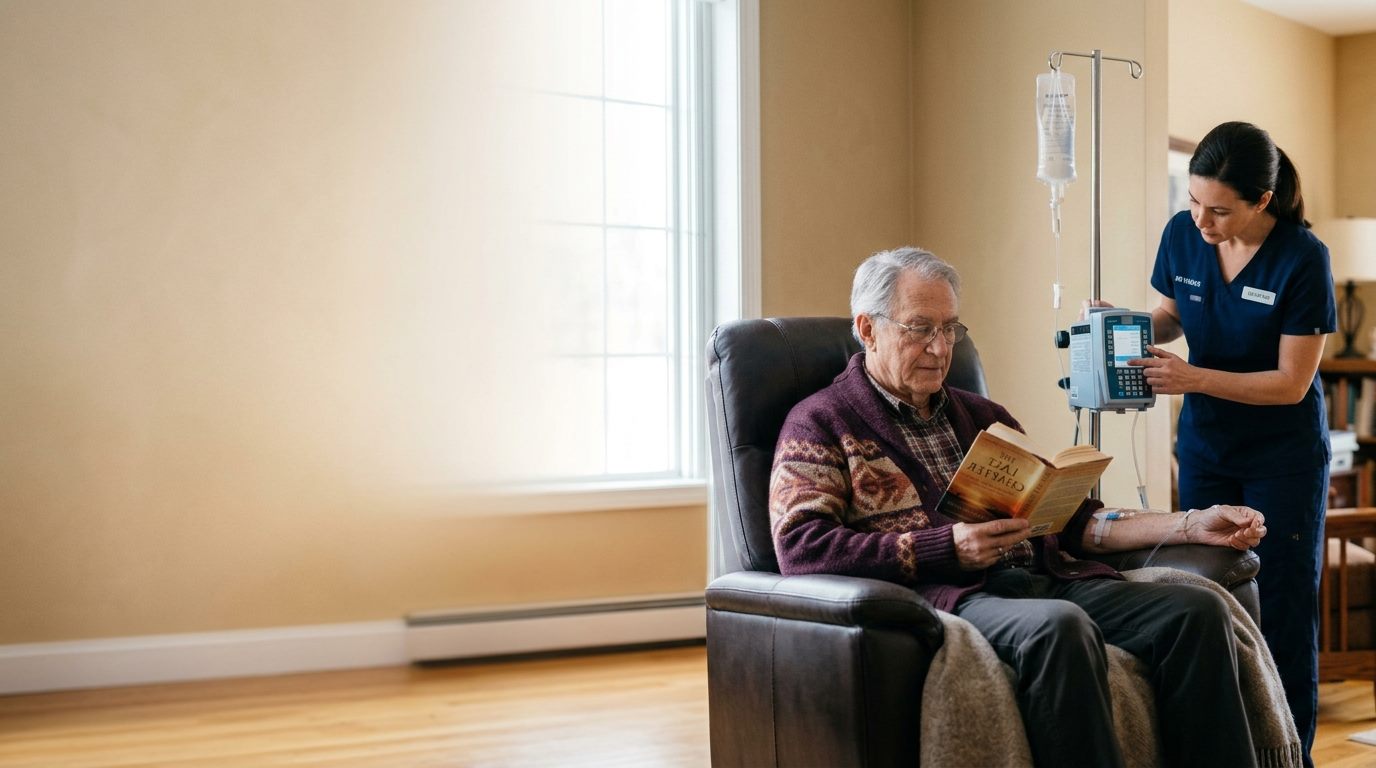
Most patients go home still feeling tired and sore. Expect to need help with shopping, cooking, driving and household tasks. Walking a little more each day builds stamina. Lifting limits are usually set for several weeks to protect healing tissue. Keep the incision clean and watch for redness, drainage or fever. Appetite may be low, so small protein-rich meals help. Sleep may be disrupted by discomfort; sleeping propped up can help. Follow-up visits check healing, lung expansion and when additional treatment should begin. Keep a list of questions to bring to your follow-up appointment.
Longer-term recovery
Many people feel noticeably stronger by about six to eight weeks after lung-sparing surgery, though fatigue and some breathlessness can last longer. More extensive operations usually take more time. Pulmonary rehabilitation can speed progress. Some patients experience lingering numbness or discomfort around the incision, which often improves gradually. Chemotherapy or immunotherapy may start once you have healed enough. Returning to work or driving depends on your job, pain control and medications, so discuss timing with your surgeon. Your surgeon can tell you which symptoms should prompt a call during this longer phase. Keeping follow-up appointments helps catch problems early.
What to do next
- 1
Arrange a helper for meals, driving and household tasks for the first several weeks.
- 2
Use your incentive spirometer as often as instructed and walk several times a day.
- 3
Check your incision daily and call for redness, drainage, fever or worsening pain.
- 4
Ask your surgeon for written limits on lifting, driving and returning to work.
Questions
Common questions
Keep reading
Related resources
Find out in minutes whether a claim is still available
Free, confidential case review for patients and families in all 50 states.