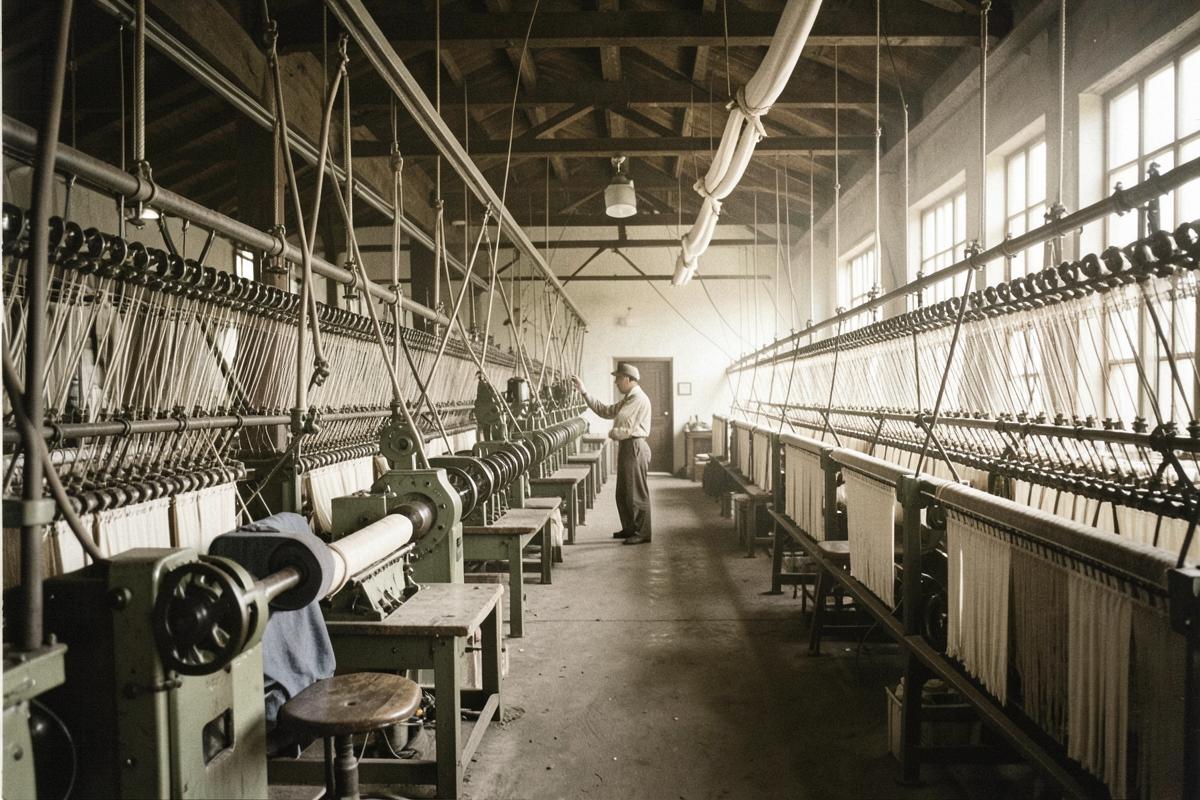
At work
Railroad Workers
Locomotives, shops and rolling stock used asbestos insulation and brake materials
- Topic
- Occupational risk
- Reading time
- 3 min
Railroads used asbestos in locomotive insulation, brake materials, boiler work and repair shops. Crews who maintained engines and rolling stock, and those who worked in roundhouses and yards, could be exposed for years. Railroad workers also have a distinct legal framework that differs from most other trades, which makes it especially important to understand their options early.
Steam, diesel and shop exposure
Steam locomotives relied on heavily insulated boilers, and shop crews removed and replaced that insulation during overhauls. Diesel locomotives also used asbestos in some insulation, gaskets and other components. Roundhouses and repair shops were often enclosed and dusty, and workers from many crafts shared the same space. Brake shoes and other friction materials on locomotives and cars added more exposure. If you worked in a shop or roundhouse, list the types of equipment you maintained, the tasks you did and the other crafts working near you, since each detail helps build a fuller picture of your exposure.
What FELA means for rail workers
Many railroad employees are covered by the Federal Employers' Liability Act, often called FELA. Unlike typical workers' compensation, FELA allows injured rail workers to bring claims against their railroad employer when the railroad's negligence contributed to the injury. This can apply to asbestos-related diseases, including mesothelioma. FELA has its own rules, proof requirements and deadlines. Rail workers may also have separate claims against the companies that made asbestos products used on the railroad. Because these paths interact with each other, it helps to have both reviewed together rather than one at a time.
Using long service records
Railroad careers were often long, sometimes spanning decades with the same company. Railroad employment and retirement records can confirm your service, your crafts and your work locations over time. These records are usually well kept, which helps build a dated work history. Try to recall the yards, shops and divisions where you worked, along with any changes in job title or craft. Coworkers from the same shops can help confirm conditions and materials. Family members can also help by finding old pay stubs, seniority rosters or photos that show where you worked.
What to do next
- 1
Request your railroad employment history and any records held by the Railroad Retirement Board.
- 2
List the shops, roundhouses and yards where you worked, with approximate dates for each.
- 3
Describe maintenance tasks that involved insulation, brake materials or gaskets.
- 4
Ask for a free case review that considers both FELA and product manufacturer claims.
Questions
Common questions
Keep reading
Related resources
Find out in minutes whether a claim is still available
Free, confidential case review for patients and families in all 50 states.