Diagnosis
Pain Patterns in Pleural Disease
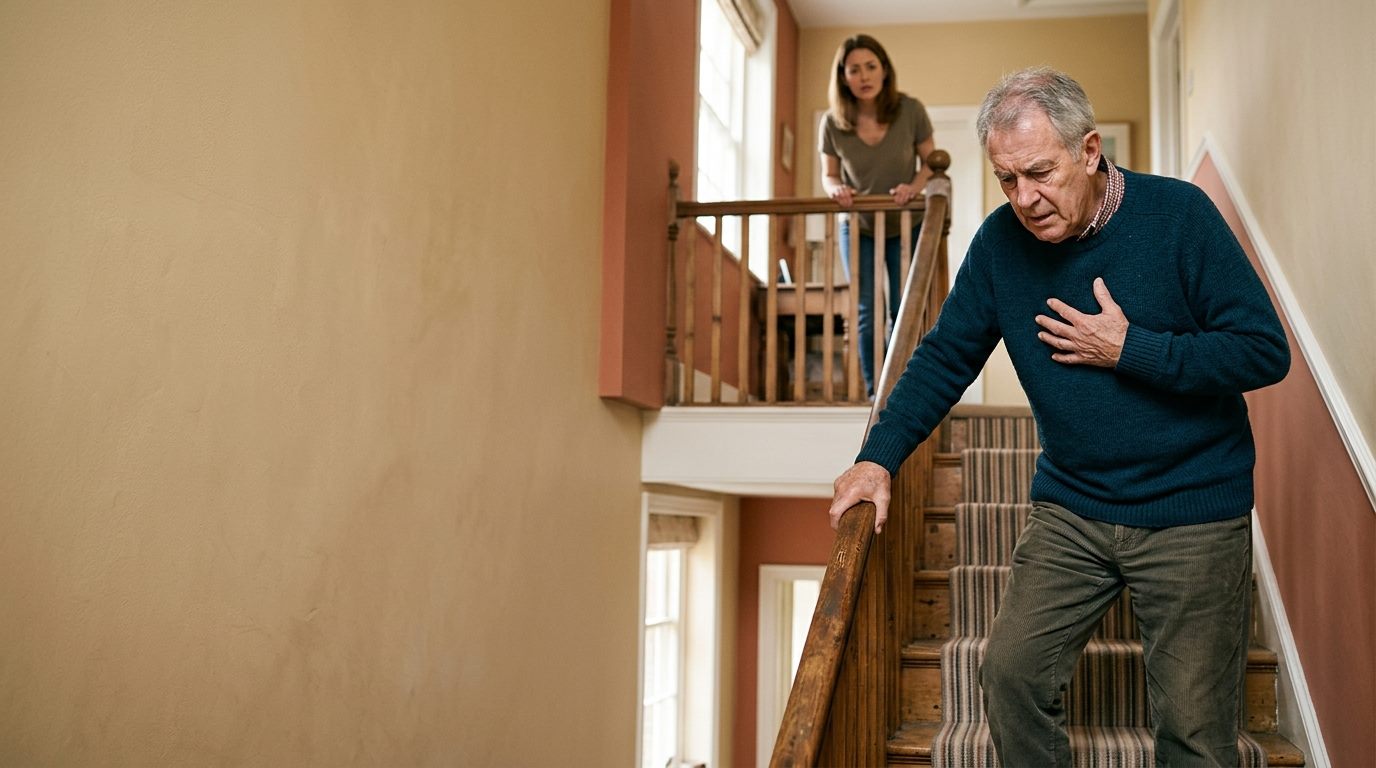
Chest wall pain that worsens with a deep breath is a common mesothelioma pattern
- Topic
- Diagnosis & symptoms
- Reading time
- 3 min
Pain from pleural mesothelioma often has a recognizable character. It usually sits on one side of the chest, can feel deep or aching, and may grow as the disease involves the chest wall or nerves. Describing your pain precisely helps your team choose the right treatment, because different kinds of pain respond to different approaches.
How pleural pain tends to feel
Many patients describe a dull, constant ache under the ribs on the affected side. Pain may sharpen with deep breaths, coughing or certain movements. Some people feel it more when lying on one side. As the disease advances, it can spread toward the shoulder, back or upper abdomen. Nerve involvement can cause burning, tingling or shooting sensations. Pain may also come from procedures such as chest drains or surgery. Each pattern gives clues to its source and to what will help most. Some people also notice pain in the upper arm or neck on the affected side.
Describing pain so it gets treated
Use a zero to ten scale and note your usual level and your worst level each day. Describe the quality, such as aching, stabbing or burning, and where it spreads. Note what makes it better or worse and how it affects sleep, walking or eating. Record how well each medication works and for how long. This kind of detail helps doctors decide between regular long-acting medicine, nerve-targeted drugs, radiation to a specific area or a nerve block. Vague descriptions often lead to under-treatment. A pain diary kept for a week often reveals patterns that are easy to miss in the moment.
When pain changes suddenly
A sudden increase in pain, especially with breathlessness, fever or a new lump, deserves a prompt call. It may signal fluid buildup, infection, a complication from a procedure or disease progression. New back pain with weakness or numbness in the legs needs urgent evaluation. Do not wait for a routine appointment if pain becomes unmanageable, because many options can be adjusted quickly. Your palliative or oncology team can often change medications by phone or arrange an urgent visit. Keep your team's phone numbers handy so you can reach them quickly. If pain wakes you at night despite medication, report that too, since the plan may need adjusting.
What to do next
- 1
Keep a daily pain log with your usual and worst scores, location and quality.
- 2
Note which medications you took, when, and how long relief lasted.
- 3
Ask whether nerve-targeted medication or a nerve block could help chest wall pain.
- 4
Call your care team the same day if pain suddenly worsens or new symptoms appear.
Questions
Common questions
Keep reading
Related resources
Find out in minutes whether a claim is still available
Free, confidential case review for patients and families in all 50 states.