Treatment
Exercise and Rehabilitation
Gentle activity improves breathing, mood and recovery time between treatments
- Topic
- Treatment & clinical care
- Reading time
- 3 min
Staying active during mesothelioma treatment may feel impossible on hard days, but gentle movement can improve energy, breathing, mood and sleep. It also helps maintain muscle strength that surgery and treatment can erode. The goal is not intense exercise but regular, manageable activity that fits your condition and is approved by your care team.
Starting small and safely
Walking is often the simplest way to begin. Start with a few minutes at a comfortable pace and increase gradually. It is fine to stop and rest. Seated exercises, light resistance bands and gentle stretching can maintain strength when walking is hard. Aim for consistency rather than distance. Check with your team before starting, especially after surgery, if you have low blood counts, bone involvement or heart concerns. Wear comfortable shoes and walk on level ground at first. A family member or friend can join you for safety and motivation. Counting steps or minutes helps you see progress over the weeks, and even short sessions add up.
Pulmonary rehabilitation
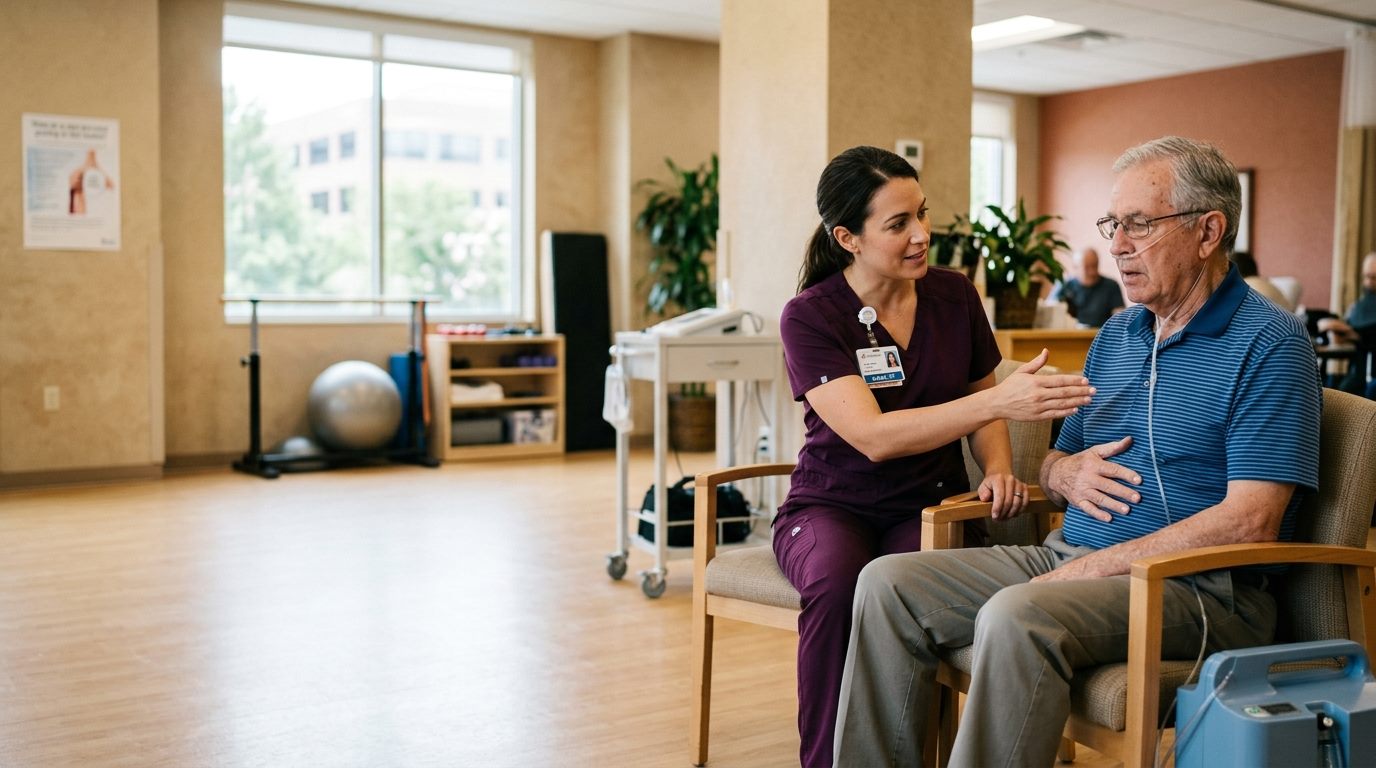
Pulmonary rehabilitation programs are supervised programs that combine exercise training, breathing techniques and education for people with lung conditions. They can help reduce breathlessness and improve confidence with daily activities. Ask your doctor whether a program is available and appropriate after surgery or during treatment. Insurance coverage varies, so check with your plan. Some programs offer home-based versions. Staff in these programs monitor oxygen levels and adjust exercises to your ability. Many patients can manage more daily tasks after completing one. Programs usually run for several weeks with sessions a few times a week, so ask whether one can be scheduled around your treatment.
Knowing when to hold back
Skip exercise and contact your team if you have chest pain, severe breathlessness, dizziness, fever, new swelling in a leg or unusual bleeding. On treatment days or when fatigue is severe, a short walk or stretching may be enough. Hydrate well and avoid exercising in extreme heat. Listen to your body, and remember that small amounts of activity still count. Avoid crowded gyms or public pools when blood counts are low. After surgery, follow your surgeon's lifting and activity limits closely. If you are unsure whether an activity is safe, check with your team first. Returning slowly after a break is better than pushing too hard too soon.
What to do next
- 1
Ask your care team what types and amounts of activity are safe for you now.
- 2
Start with a short daily walk and add a minute or two each week.
- 3
Ask whether a pulmonary rehabilitation program is available near you.
- 4
Stop and call your team if you have chest pain, dizziness or severe breathlessness.
Questions
Common questions
Keep reading
Related resources
Find out in minutes whether a claim is still available
Free, confidential case review for patients and families in all 50 states.