Exposure
EPA and State Asbestos Rules
EPA NESHAP governs demolition and renovation, and states often add stricter rules
- Topic
- Asbestos exposure & products
- Reading time
- 3 min
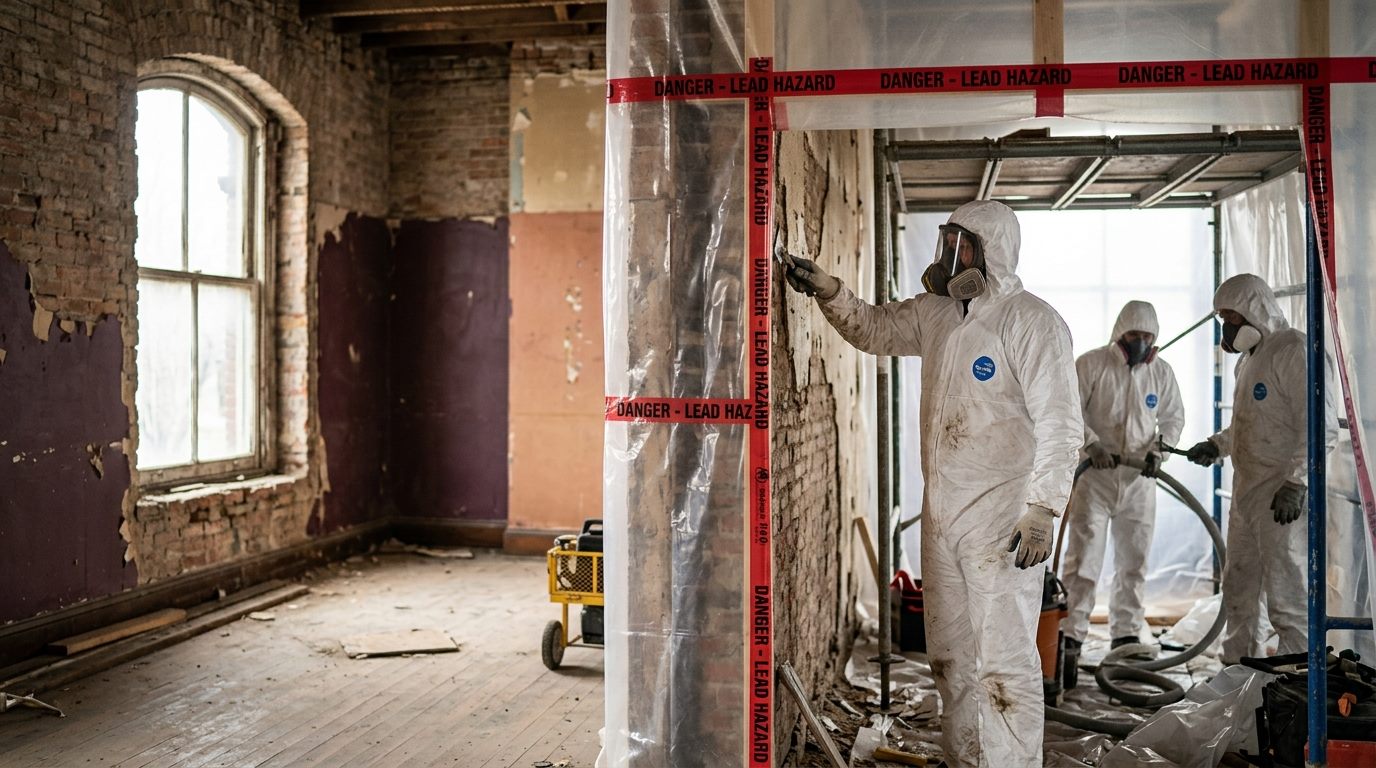
Beyond workplace safety rules, the Environmental Protection Agency regulates how asbestos is handled during renovation and demolition and how waste is disposed of. Many states add their own requirements, such as licensing for contractors. Together, these rules aim to keep asbestos fibers from escaping into the air people breathe outside the work area.
What NESHAP requires
The EPA's asbestos National Emission Standards for Hazardous Air Pollutants, known as NESHAP, apply to demolition and many renovation projects in commercial and public buildings, including apartment buildings above a certain size. Owners and operators must inspect for asbestos before work begins and notify the appropriate agency in advance for many projects. Regulated asbestos materials must be kept wet and removed before activities that would break them up. Waste must be sealed, labeled and taken to approved sites. Single-family homes are generally excluded from some of these requirements, though exceptions exist.
How states build on federal rules
Many states run their own asbestos programs, often with authority delegated by the EPA. States may require licenses for abatement contractors, inspectors and workers, set additional notification requirements, charge permit fees and inspect projects. Some states apply rules to residential work that federal rules do not cover. Local air districts or health departments may also have requirements. Before any project, check with your state environmental agency to understand which rules apply to your building and planned work. Rules can change, so check current requirements before each project.
Enforcement and penalties
Agencies can inspect projects, issue violations and impose fines when rules are not followed. Serious violations, such as illegal removal or dumping, can lead to significant penalties and sometimes criminal charges. Records of enforcement actions may be public and can reveal past problems at specific sites. For workers and nearby residents, these records sometimes help document that asbestos was disturbed improperly. Property owners who follow the rules protect not only public health but also their own legal and financial interests. Keeping good records also makes future inspections easier.
What to do next
- 1
Contact your state environmental agency to learn which asbestos rules apply to your project.
- 2
Confirm your contractor holds any state license required for asbestos work.
- 3
Keep copies of notification forms and waste disposal receipts for your records.
- 4
Report illegal dumping or unsafe removal to your state or local environmental agency.
Questions
Common questions
Keep reading
Related resources
Find out in minutes whether a claim is still available
Free, confidential case review for patients and families in all 50 states.