Veterans
Camp Lejeune and Asbestos
Separate from water contamination claims, older base buildings also contained asbestos
- Topic
- Veterans & VA benefits
- Reading time
- 3 min
Camp Lejeune is widely known for its contaminated water, which led to a separate set of legal and VA rules. Asbestos is a different issue. Like many bases of its era, Camp Lejeune had older buildings and utility systems that contained asbestos materials. People who lived or worked there may have more than one possible claim, each with its own requirements.
Two different exposures, two different paths
Water contamination claims connected to Camp Lejeune follow their own laws, VA presumptions and deadlines, and they cover specific illnesses tied to chemicals in the water. Asbestos exposure is handled under the general rules for asbestos-related illness, which require showing a diagnosis, likely exposure and a medical link. A person diagnosed with mesothelioma should not assume that a water-related claim covers it, or that a denied water claim ends the asbestos question. Each path looks at different evidence, so it helps to have both reviewed separately by someone familiar with the rules for each.
Where asbestos may have been on base
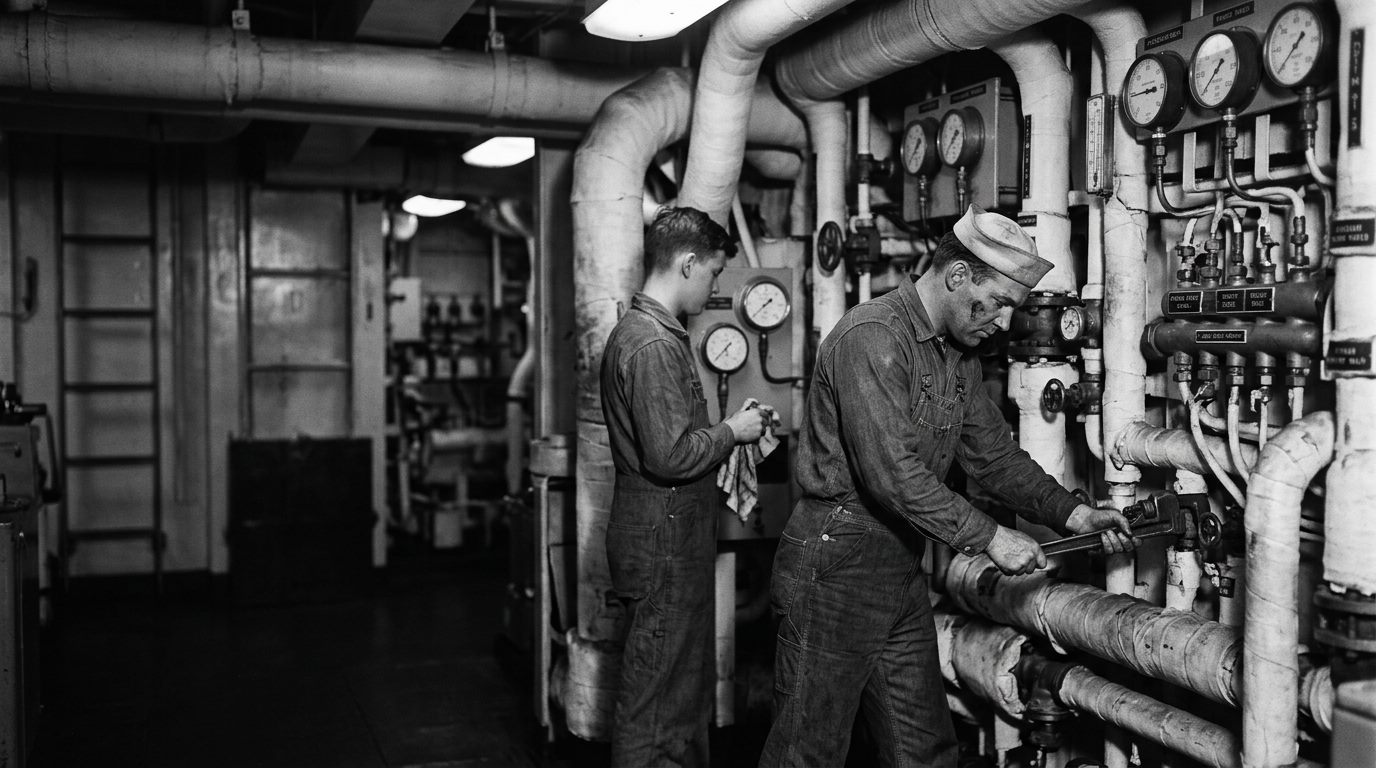
Military bases built during the mid-twentieth century commonly used asbestos in pipe insulation, boiler rooms, floor tiles, roofing and other building materials. Maintenance, renovation and demolition work could disturb those materials over many years. Marines and sailors assigned to facilities, engineering or maintenance roles may have had more direct contact, while others lived or worked in buildings where materials were aging. Civilian workers and family members who lived on base could also have been around these materials. Describing the buildings you lived and worked in, and any repair work you did, helps build the asbestos side of a claim.
Documenting your time there
Records that show when you were stationed at or lived on the base are important for both kinds of claims. Service members can use personnel records and orders. Family members may use housing records, school records or a service member's records showing dependents on base. Civilian workers can use employment records. For the asbestos claim specifically, add details about jobs, buildings and any maintenance or construction work. Because the deadlines and rules for water claims and asbestos claims differ, ask for a review of both as soon as possible rather than waiting on one to finish.
What to do next
- 1
Gather orders, housing records or employment records that show your dates at the base.
- 2
Describe the buildings where you lived and worked and any repair or construction duties.
- 3
Ask for separate reviews of any water contamination claim and any asbestos claim.
- 4
Check the current deadlines that apply to each type of claim without delay.
Questions
Common questions
Keep reading
Related resources
Find out in minutes whether a claim is still available
Free, confidential case review for patients and families in all 50 states.