Exposure
Asbestos in Homes Built Before 1980
Older homes may contain asbestos in siding, popcorn ceilings, vinyl tile and duct wrap
- Topic
- Asbestos exposure & products
- Reading time
- 3 min
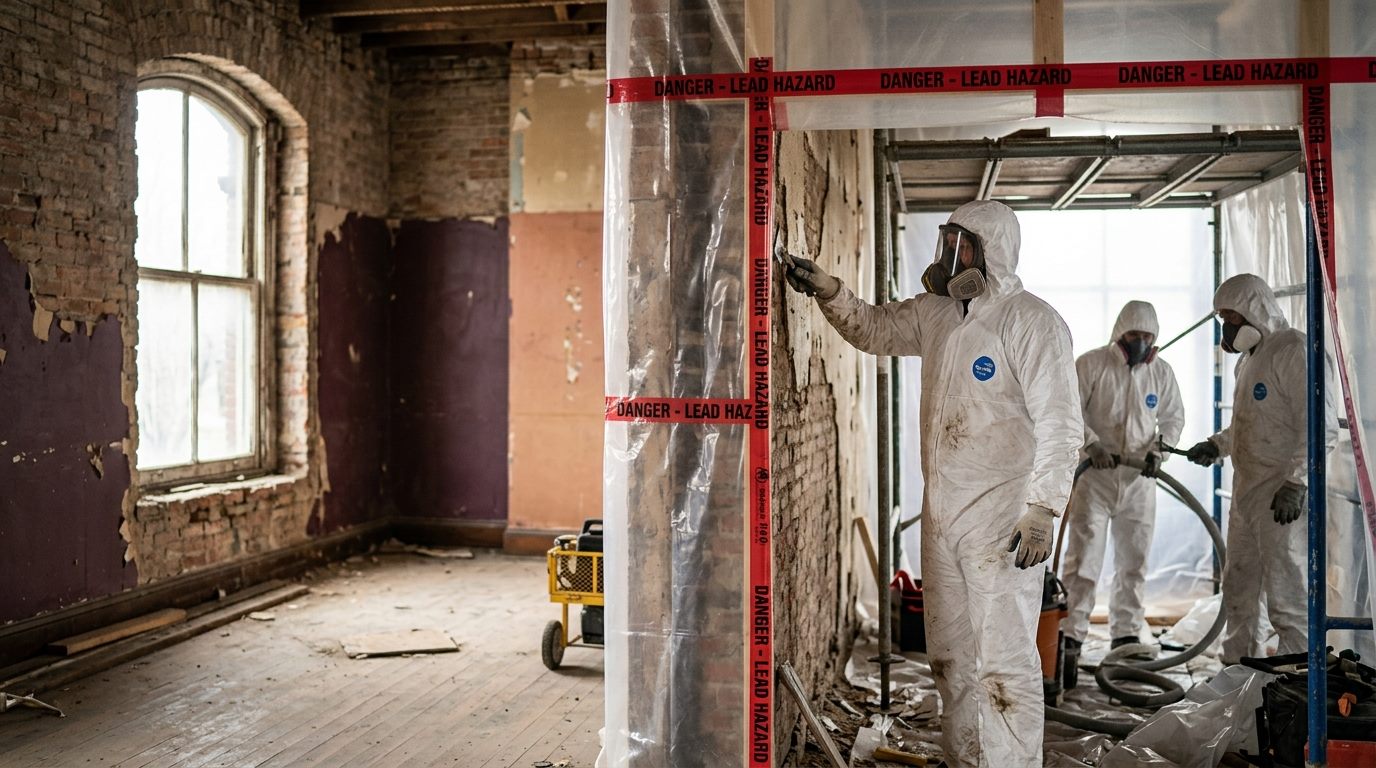
Many American homes built before 1980 contain some asbestos material. It may be in the siding, the texture on a ceiling, old vinyl flooring, the wrap on heating ducts or the insulation around a boiler. Most of it stays harmless while intact, but home projects can quickly turn it into airborne dust that reaches everyone in the house.
Where to look in an older house
Common places include popcorn or textured ceilings, vinyl sheet flooring and nine-inch floor tiles with their adhesive, cement board siding and shingles, roofing materials, window putty, and the paper or cloth wrap on heating ducts. Older furnaces and boilers may have asbestos insulation or gaskets, and pipes in basements were often wrapped in white or gray insulation. Some attics contain loose vermiculite insulation that may be contaminated. Appearance alone cannot confirm asbestos, so testing is the only reliable way to know. If you are unsure about a material, treat it as though it contains asbestos until a test says otherwise. Avoid breaking off pieces to inspect them.
Projects that release fibers
Scraping a popcorn ceiling, pulling up old floor tile, sanding joint compound, cutting siding, and removing pipe or duct wrap are among the riskiest do-it-yourself tasks. Power tools and dry scraping create especially heavy dust. Fibers can settle on floors, furniture and clothing and be stirred up again later. Children and pets playing in these areas may breathe them in. If you suspect asbestos, stop the project, avoid spreading dust and have the material tested before continuing. Ordinary household vacuums can spread fine fibers rather than capture them, so avoid vacuuming debris from suspect materials. Ask a professional how to clean up safely.
Testing, removal and disclosure
Testing is usually affordable. An accredited inspector can take samples safely and send them to a certified laboratory. If asbestos is present, options include leaving it in place, sealing or covering it, or hiring a licensed abatement contractor for removal. Rules on who may remove asbestos from a private home vary by state and locality. When selling a home, some states require sellers to disclose known asbestos. Keep test results and removal records, since future buyers or contractors may ask for them. If you are buying an older home, a pre-purchase inspection can flag suspect materials before you commit.
What to do next
- 1
Stop any renovation that disturbs suspect material until it has been tested.
- 2
Hire an accredited inspector rather than sampling friable materials yourself.
- 3
Get written estimates from licensed abatement contractors if removal is recommended.
- 4
Store test results and abatement paperwork with your other home documents.
Questions
Common questions
Keep reading
Related resources
Find out in minutes whether a claim is still available
Free, confidential case review for patients and families in all 50 states.