At work
Aerospace Workers
Heat shields, brakes and insulation in aircraft manufacturing contained asbestos
- Topic
- Occupational risk
- Reading time
- 3 min
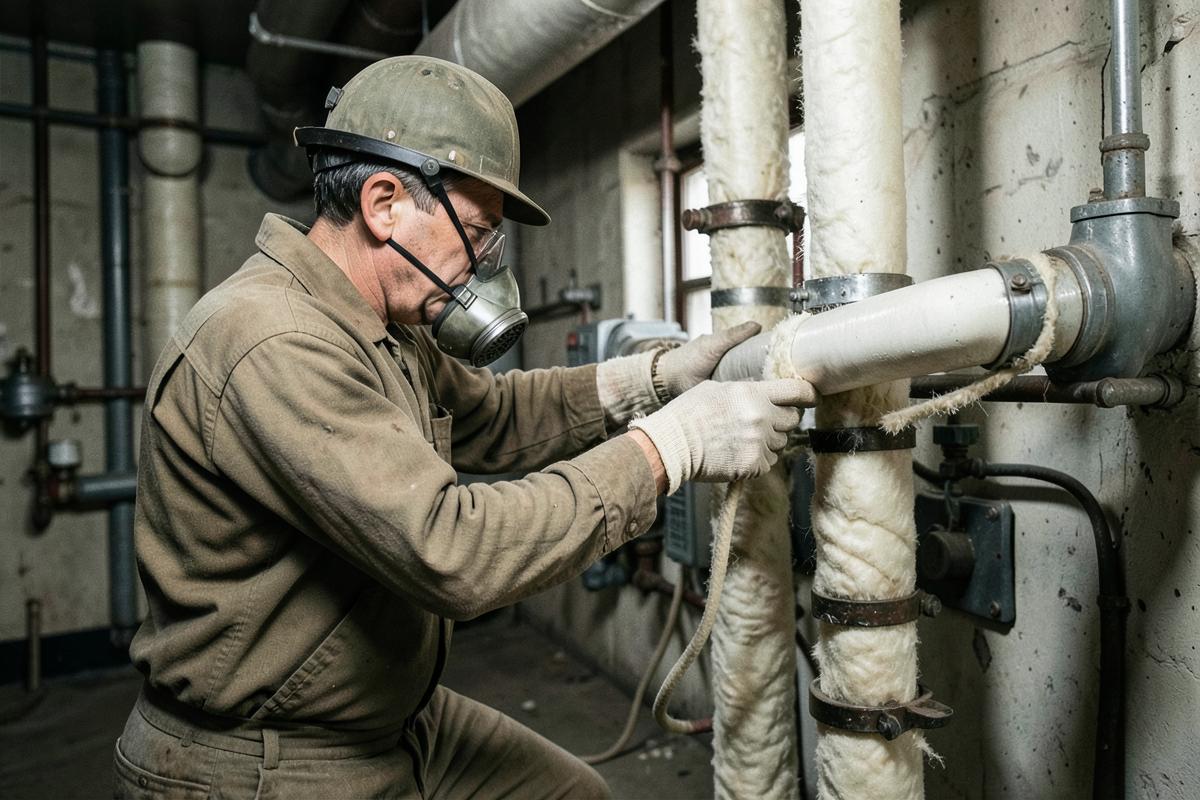
Aircraft and aerospace manufacturing relied on heat-resistant materials in engines, brakes, heat shields and insulation. In earlier decades, some of these materials contained asbestos. Workers who fitted, ground or assembled such components, especially on military aircraft programs, may have been exposed, often without being told what the materials in their hands actually contained.
Where asbestos appeared in aircraft
Aircraft needed materials that could withstand high heat, vibration and friction. Some brake components, engine insulation, heat shields, gaskets and electrical insulation were made with asbestos in earlier decades. Workers who installed, repaired or modified these parts could encounter it regularly. Grinding, cutting, drilling or fitting components to size created dust in the work area. If you worked in aerospace, describe the parts and systems you worked on, such as engines, brakes, exhaust systems or wiring, and how often you shaped or trimmed heat-resistant materials. Tooling and cleanup practices in your department are worth describing as well.
Military aircraft programs
Many aerospace workers built or maintained military aircraft, either as civilian employees of manufacturers or as service members in maintenance units. Military aircraft maintenance could involve similar heat-resistant materials. Veterans who worked on aircraft may have both VA benefits and claims against the manufacturers of the products. Civilian workers may have product claims and, depending on the facts, other benefits. Knowing which aircraft, programs or bases you worked on, and when, helps focus the investigation on the right products and companies. Unit histories, base assignments and technical training records can help place you on specific aircraft during specific years.
Facility records and established claims
Aerospace manufacturers often maintained detailed employment, security and training records. These can confirm your job titles, departments, buildings and dates. Some facilities are known from past asbestos claims, which may mean information about the materials used there already exists. Your part is to describe your work and locations as specifically as you can. Coworkers from the same plants can help confirm which materials were present and how they were handled, especially in departments where records are thin. Security badges, service pins and plant newsletters can also help confirm when you worked in specific buildings and departments.
What to do next
- 1
List the aircraft, programs or systems you worked on and the approximate years for each.
- 2
Describe tasks that involved grinding, cutting or fitting heat-resistant parts or insulation.
- 3
Request employment and training records from the facilities where you worked.
- 4
Veterans should gather service records that show aircraft maintenance assignments and bases.
Questions
Common questions
Keep reading
Related resources
Find out in minutes whether a claim is still available
Free, confidential case review for patients and families in all 50 states.